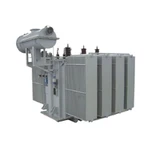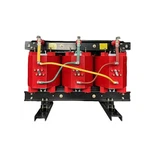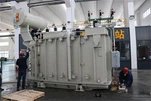


If the operating current on the high voltage side of the transformer accounts for more than 90% of the rated current. Whats will happen? In this case, we also have to consider the operation system of the transformer, if the enterprise only produces during the day and rests at night, it is OK. If it is a 24-hour working day, then be careful to pay attention to the safety of electricity. It may lead to the following issues:
1.Temperature Rise: Operating at high load generates more heat. Prolonged high temperatures can cause insulation materials to degrade, shortening the transformer's lifespan.
2.Insulation Aging: Over time, the aging of insulation materials increases the risk of transformer failure. Insulation aging is one of the main causes of transformer faults.
3.Reduced Efficiency: The efficiency of the transformer decreases at high loads, leading to increased losses and higher operating costs.
4.Increased Noise: Excessive current can cause the transformer to produce abnormal noise, often due to increased mechanical stress on the core or coils.
5.Overheating Protection Activation: Some transformers are equipped with overheating protection devices. If the temperature exceeds a certain threshold, the protection device may activate or even shut down the transformer to prevent more severe damage.
6.Increased Risk of Overload Failure: Operating under high load for a long period increases the risk of overload, especially in situations with significant load fluctuations or sudden high load spikes.
To avoid these issues, it's recommended to regularly monitor the transformer's load and temperature and avoid prolonged overloading. If the load consistently exceeds the rated value, consider adding extra transformer capacity or redistributing the load. Below are some suggestions:
1.Reasonably Allocate Load: Optimize production processes to ensure that electrical equipment is used in an orderly manner, thereby reducing the simultaneous usage rate.
2.Slightly Increase Low-Voltage Side Output Voltage (+2.5%): Since the transformer is operating near full load, the output voltage of the transformer is likely to drop, which may result in lower voltage for end-user equipment. This could lead to higher active current, increased energy losses, and increased voltage can reduce current.
3.Improve Power Factor: High load rates can lead to insufficient reactive power compensation. Regularly replace power capacitors with reduced capacity, and install reactive power compensation devices near large inductive loads to improve the power factor. This enhances the transformer's active output capacity, thereby reducing operating current, lowering energy losses, and effectively reducing both load current and energy loss, thus lowering the transformer's load rate.
4.Enhance Transformer Cooling: High load rates increase the transformer's temperature. Installing air conditioning or adding forced ventilation can cool the transformer, thereby reducing losses, improving efficiency, and protecting the transformer.
5.Schedule Regular Inspections: Assign personnel to regularly monitor the transformer's operating status, record operating current, and measure temperature. Early detection and timely handling of potential issues can prevent problems from escalating.