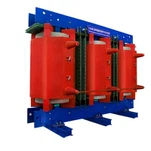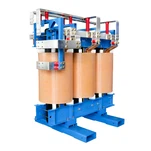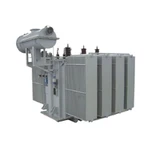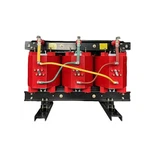


Testing the no-load loss of a transformer (also known as core loss or iron loss) is an important procedure in evaluating the efficiency and performance of the transformer. No-load loss refers to the energy lost in the transformer when no load is connected to its secondary side. These losses are primarily caused by the magnetizing current required to energize the core and by the hysteresis and eddy currents in the core material.
Here's a step-by-step guide on how to test the no-load loss of a transformer:
1. Preparation for Testing
Before conducting the no-load loss test, ensure the following:
Ensure the transformer is disconnected from any load: The transformer must be in a no-load condition, meaning no current is drawn from the secondary windings.
Verify Safety Measures: Follow all necessary safety precautions. Transformers operate at high voltages, so ensure proper insulation, personal protective equipment (PPE), and safe handling procedures are in place.
2. Test Setup
For the no-load loss test, you'll need to connect the transformer to a source of rated primary voltage (in most cases, AC). The typical setup includes:
Power Supply: A stable AC power source that can supply the rated voltage of the transformer.
Voltmeter: To measure the input voltage.
Ammeter: To measure the no-load current on the primary side.
Wattmeter: To measure the input power (which corresponds to the no-load loss).
Varied Testing Equipment (Optional): A power analyzer can also be used to measure power factor, current, and power simultaneously.
3. Performing the No-Load Test
Here's the procedure for performing the test:
a) Apply Rated Primary Voltage
Connect the primary side of the transformer to the AC power source and apply the rated voltage to the primary winding. The secondary winding should remain open (no load).
Ensure the supply voltage is stable at the rated value for the transformer.
b) Measure the Input Power
Use the wattmeter to measure the total input power to the transformer on the primary side. This is the power consumed by the transformer when operating under no-load conditions.
The measured power (in watts) represents the no-load loss (also called core loss), which consists of:
Hysteresis loss: Losses due to the magnetic properties of the core material.
Eddy current loss: Losses caused by currents induced in the core material due to the alternating magnetic field.
c) Measure No-Load Current (Optional)
Use the ammeter to measure the no-load current in the primary winding. While this is not directly used to calculate no-load loss, it can help in assessing the magnetizing current that is necessary to energize the transformer's core.
The no-load current is usually small compared to the full-load current, and typically, it is in the range of 1–2% of the rated full-load current.
4. No-Load Loss Calculation
The no-load loss PNLP_{NL}PNL is measured directly from the wattmeter as the input power under no-load conditions.
PNL=V×I×Power FactorP_{NL} = V \times I \times \text{Power Factor}PNL=V×I×Power Factor
Where:
PNLP_{NL}PNL = No-load loss (in watts)
VVV = Primary voltage (in volts)
III = No-load current (in amperes)
Power Factor = Ratio of real power to apparent power, which can be obtained from the wattmeter reading or directly measured using a power analyzer.
The no-load loss is a critical parameter because it provides an indication of the transformer's core efficiency and the quality of its construction materials.
5. Interpretation of Results
The no-load loss is typically a constant power loss, meaning it remains relatively unchanged regardless of the load on the transformer (as long as the primary voltage is constant). However, the magnitude of the loss depends on:
The type of transformer (e.g., distribution or power transformer).
The core material used (e.g., silicon steel, amorphous steel, etc.).
The design and construction of the transformer (e.g., winding design, core construction, etc.).
6. Comparison with Manufacturer's Specifications
Once the no-load loss is measured, compare it with the manufacturer's specifications or industry standards for transformers of similar size and rating. If the measured value is significantly higher than expected, it may indicate issues with the transformer, such as:
Core saturation: Due to inadequate core material or design.
Improper winding insulation: Which can lead to additional losses.
Aging or degradation of core material.
7. Documentation
Record all the measurements (voltage, current, power, power factor) and any other relevant data, such as the ambient temperature (which can affect the core losses). This information is crucial for the operational profile of the transformer and future maintenance or troubleshooting.
Conclusion
Testing the no-load loss of a transformer is a straightforward yet important test to assess the efficiency and performance of the transformer under no-load conditions. By applying the rated voltage to the primary side and measuring the input power, you can determine the core losses and ensure the transformer meets its design specifications. Regular no-load loss testing helps in the early detection of potential issues, ensuring reliable operation and minimizing energy wastage over the transformer's lifespan.