

Mastering the basic knowledge of high and low voltage complete sets is essential for professionals involved in electrical systems, particularly in industries related to power generation, transmission, and distribution. High and low voltage complete sets refer to the comprehensive electrical systems designed to handle specific voltage levels and ensure the safe, reliable operation of electrical equipment. Below are the key points to master when understanding these systems:
1. Understanding Voltage Levels
Low Voltage (LV): Generally refers to systems with voltages up to 1 kV (1000 V). Common applications include household appliances, commercial electrical systems, and industrial machinery that operate at relatively lower voltages.
High Voltage (HV): Involves voltages above 1 kV, typically ranging from 1 kV to several hundred kV. HV systems are used in the transmission and distribution of electricity over long distances and require specialized equipment due to the higher electrical stress.
2. Components of Complete Sets
Both high and low voltage complete sets consist of several key components, each designed to handle specific electrical functions. Mastering these components is essential for understanding how the systems work.
For Low Voltage Complete Sets (LV):
Circuit Breakers and Fuses: Protect the electrical circuit from overcurrent and short circuits.
Switchgears: Facilitate the control, protection, and isolation of electrical circuits.
Distribution Panels: Used to distribute power to various circuits in buildings or facilities.
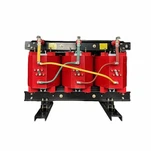
Transformers (Step-down): Lower the voltage from higher levels to safe operational levels for industrial or residential use.
Metering Equipment: Used for measuring and monitoring electrical consumption.
For High Voltage Complete Sets (HV):
HV Circuit Breakers: These are more robust than LV circuit breakers and are designed to handle the intense electrical stress and faults typical in high-voltage systems.
HV Switchgear: Specialized for high-voltage environments, switchgear in HV systems is used for protection and control, ensuring safe switching operations at high voltages.
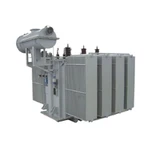
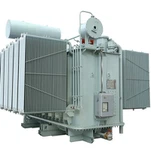
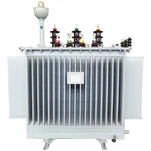
Transformers (Step-up/Step-down): Step-up transformers increase the voltage for efficient transmission over long distances, while step-down transformers reduce the voltage for distribution and usage at lower levels.
Isolators and Disconnectors: These are used to isolate parts of the circuit for maintenance or in case of faults.
Busbars: Conductors that distribute power between circuits and allow for flexible reconfiguration in HV systems.
Lightning Arresters: Protect the system from surge voltages caused by lightning strikes.
3. Protection Systems
Protection systems in both LV and HV systems are crucial for the safety and longevity of the electrical installation. These systems are designed to prevent damage in the event of electrical faults like short circuits or overloads. Understanding protection mechanisms like:
Overcurrent Protection: Used to safeguard circuits from damage due to excess current.
Differential Protection: Detects the difference between currents entering and leaving an electrical device, triggering a disconnection in case of a fault.
Earth Fault Protection: Detects faults that occur when the electrical current leaks to the ground, which could pose safety hazards.
Relay Systems: Protective relays are used to monitor specific conditions (e.g., overvoltage, undervoltage, overload) and send a signal to trip circuit breakers or other protection devices.