

1. Based on Cooling Method
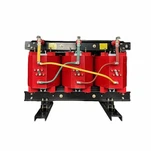
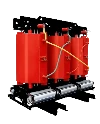
a. Dry-Type Transformers
Identification: These transformers use air or solid insulation (e.g., epoxy resin) for cooling and insulation. They are often compact and lightweight.
Applications: Indoor installations, such as commercial buildings, hospitals, and data centers.
Key Features: No oil is used, making them safer for indoor use and environmentally friendly.
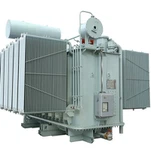
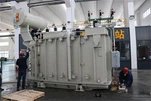
b. Oil-Immersed Transformers
Identification: These transformers use oil (mineral or synthetic) for cooling and insulation. They are typically larger and have oil-filled tanks.
Applications: Outdoor installations, such as power plants, substations, and industrial facilities.
Key Features: Oil tanks, radiators, and conservators are visible, and they are designed for high-power applications.
2. Based on Phase
a. Single-Phase Transformers
Identification: These transformers have one primary and one secondary winding. They are smaller in size and simpler in design.
Applications: Residential and small commercial applications, such as household appliances and lighting systems.
Key Features: Compact design, often used in low-power scenarios.
b. Three-Phase Transformers
Identification: These transformers have three sets of primary and secondary windings. They are larger and more complex.
Applications: Industrial and utility applications, such as power distribution networks and large machinery.
Key Features: Bulkier design, capable of handling high-power loads.
3. Based on Function
a. Step-Up Transformers
Identification: These transformers increase the voltage from the primary to the secondary winding.
Applications: Power generation plants, where voltage is increased for long-distance transmission.
Key Features: Higher secondary voltage compared to the primary voltage.
b. Step-Down Transformers
Identification: These transformers decrease the voltage from the primary to the secondary winding.
Applications: Distribution networks, where voltage is reduced for consumer use.
Key Features: Lower secondary voltage compared to the primary voltage.
4. Based on Core Design
a. Core-Type Transformers
Identification: The windings surround a significant part of the core, which is typically rectangular or circular.
Applications: General-purpose power distribution.
Key Features: Easier to repair and maintain due to accessible windings.
b. Shell-Type Transformers
Identification: The core surrounds a significant portion of the windings, forming a "shell" around them.
Applications: High-power applications, such as industrial plants.
Key Features: More robust and efficient for high-power loads.
5. Based on Application
a. Power Transformers
Identification: Large transformers used in transmission and distribution networks.
Applications: Substations, power plants, and grid systems.
Key Features: High capacity, designed for continuous operation.
b. Distribution Transformers
Identification: Smaller transformers used to deliver power to end-users.
Applications: Residential, commercial, and small industrial areas.
Key Features: Lower capacity, often pole-mounted or ground-installed.
c. Instrument Transformers
Identification: These include current transformers (CTs) and voltage transformers (VTs), used for measurement and protection.
Applications: Metering and relay systems in electrical networks.
Key Features: Compact, designed to provide accurate measurements.
6. Based on Insulation
a. Oil-Insulated Transformers
Identification: Use oil as the primary insulating and cooling medium.
Applications: High-power and outdoor installations.
Key Features: Oil-filled tanks and cooling radiators.
b. Gas-Insulated Transformers
Identification: Use gases like SF6 for insulation.
Applications: Compact substations and urban areas.
Key Features: Environmentally controlled, often used in confined spaces.
7. Based on Winding Configuration
a. Autotransformers
Identification: Have a single winding that acts as both primary and secondary.
Applications: Voltage regulation and industrial applications.
Key Features: Compact and cost-effective but with limited isolation.
b. Isolation Transformers
Identification: Have separate primary and secondary windings with no electrical connection.
Applications: Sensitive equipment and safety-critical systems.
Key Features: Provide electrical isolation and noise reduction.
8. Specialized Transformers
a. Rectifier Transformers
Identification: Designed to work with rectifiers for converting AC to DC.
Applications: Industrial processes, such as electrolysis and welding.
Key Features: High current capacity, often customized.
b. Phase-Shifting Transformers
Identification: Used to control the phase angle between voltage and current.
Applications: Power flow control in transmission networks.
Key Features: Complex design, used in grid stability.