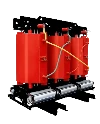


Transformer Short-Circuit Damage at Nearby Outlet: Diagnosis, Handling, and Prevention
1. Diagnosis of Short-Circuit Damage at Transformer Outlet
Short-circuit damage near the transformer outlet typically occurs when a fault arises in the high-voltage or low-voltage connections at or near the transformer's output terminals. Key diagnostic steps to identify such damage include:
Inspection of External Connections: Visually inspect the cables, bushings, and terminal connections for any signs of overheating, wear, or physical damage caused by the short circuit.
Analysis of Fault Current: Analyze the fault current during the short circuit using fault recorders or protection relay data. This can help determine the severity of the short circuit and the specific location of the fault.
Voltage Imbalance or Drop: A significant drop in voltage at the transformer's output or an imbalance between phases can indicate a short-circuit fault at or near the outlet.
Overcurrent Protection Activation: The tripping of overcurrent or differential protection relays indicates a potential short-circuit event. Check relay settings to confirm if the event was triggered by a short circuit.
Inspection of Transformer Terminals: Check for any burned or damaged components at the transformer's terminals that could have resulted from the short circuit. Discoloration, burn marks, or melted insulation may suggest localized short-circuit damage.
2. Handling Transformer Short-Circuit Damage
Once a short-circuit fault near the transformer outlet is identified, immediate steps should be taken to mitigate damage and restore system safety:
Disconnect the Power Supply: Quickly disconnect the transformer from the power grid to prevent further damage. This can be done by tripping the relevant circuit breakers or protection relays.
Inspect and Isolate Fault: Locate and isolate the specific fault area. Disconnect all external load connections to isolate the short-circuit fault from other parts of the system.
Assess Transformer Condition: Check the condition of the transformer for any internal damage due to the fault. This includes checking insulation integrity, cooling system functionality, and core status. If necessary, conduct a partial discharge test.
Repair or Replace Damaged Components: Replace or repair any damaged terminal connections, bushings, or cable insulation. In cases of severe damage, consider transformer repairs or even replacement.
Test for Residual Faults: After repairs, conduct detailed testing (e.g., insulation resistance, turns ratio) to ensure that no residual faults remain, and that the transformer is functioning properly.
3. Prevention of Short-Circuit Damage at Transformer Outlet
To prevent short-circuit faults at the transformer outlet, various strategies and precautions should be considered:
Proper Cable Selection and Installation: Use cables with appropriate ratings (voltage and current) and ensure proper insulation to prevent physical damage or electrical faults at the transformer outlet.
Grounding and Protection Systems: Install effective grounding systems and overcurrent protection relays to quickly detect and isolate any short circuits. Differential protection relays, in particular, provide early fault detection by comparing currents between the primary and secondary windings.
Routine Maintenance and Inspections: Conduct regular inspections of the transformer and its connections. Check for loose connections, wear on cables, and signs of insulation breakdown. Implement routine testing of protective equipment to ensure functionality.
Use of Surge Arresters: Install surge arresters or lightning protection systems near the transformer outlet to protect the transformer from external electrical surges or faults in the system.
Monitoring and Remote Diagnostics: Use continuous monitoring systems to detect abnormal conditions such as overheating, overcurrent, or ground faults in real time. This helps in early fault detection and reduces the risk of serious damage.
Correct Transformer Sizing and Load Management: Ensure that the transformer is correctly sized for the load it will carry. Overloading a transformer can lead to overheating and short-circuit events. Load balancing across phases should also be monitored to avoid imbalances that could lead to faults.
4. Conclusion
Short-circuit damage at the transformer outlet can lead to significant operational disruptions and costly repairs. By implementing effective diagnostic procedures, prompt handling of fault events, and adopting preventive measures such as regular maintenance, proper protection systems, and quality installation practices, the risk of short-circuit faults can be minimized. Maintaining a proactive approach to transformer care and fault detection ensures the reliability and longevity of the system.