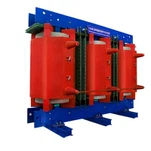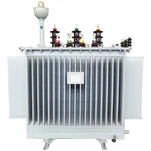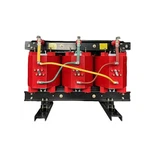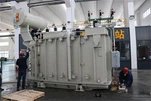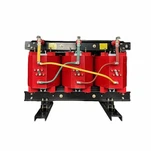


Transformers are essential components in power systems, responsible for stepping up or stepping down electrical voltages to facilitate efficient energy transmission and distribution. However, these devices are susceptible to various forms of electrical stress, one of which is partial discharge (PD). Partial discharge testing is a critical diagnostic tool used to assess the electrical integrity and reliability of transformers, helping to identify potential defects and prevent catastrophic failures.
Understanding Partial Discharge
Partial discharge occurs when the electrical insulation within a transformer is subjected to high voltage stress, causing localized breakdowns or discharges. These discharges can be caused by voids, contaminants, or imperfections in the insulation material. Over time, PD can degrade the insulation, leading to reduced performance, increased risk of failure, and even complete breakdown of the transformer.
Importance of Partial Discharge Testing
Partial discharge testing is crucial for several reasons. Firstly, it allows for the early detection of insulation defects that may not be visible through visual inspection or routine maintenance. By identifying these defects early, utilities can schedule repairs or replacements before a failure occurs, minimizing downtime and avoiding costly repairs.
Secondly, PD testing helps to ensure the long-term reliability and safety of transformers. By monitoring the level and pattern of partial discharges, engineers can assess the condition of the insulation and predict its remaining lifespan. This information is invaluable for planning and budgeting purposes.
Types of Partial Discharge Testing
There are several methods for conducting partial discharge testing, each with its own advantages and limitations. Some of the most common methods include:
Acoustic Emission Testing: This method involves detecting the ultrasonic waves generated by partial discharges using sensitive acoustic sensors. Acoustic emission testing is non-intrusive and can be performed while the transformer is in operation.
Dissolved Gas Analysis (DGA): DGA involves analyzing the gases dissolved in the transformer oil for indicators of partial discharge activity. While DGA is a valuable tool, it may not provide real-time information on PD events.
Electrical Testing: Electrical testing methods, such as pulse current measurement and radio frequency (RF) detection, directly measure the electrical signals associated with partial discharges. These methods can provide detailed information on the location, magnitude, and frequency of PD events.
Online Monitoring Systems: Advanced online monitoring systems can continuously monitor transformers for partial discharge activity. These systems provide real-time data, allowing for immediate intervention if necessary.
Conducting Partial Discharge Testing
When conducting partial discharge testing, it is essential to follow established procedures and standards to ensure accurate and reliable results. This includes proper preparation of the transformer, selection of the appropriate testing method, and interpretation of the test data.
It is also important to consider the operating conditions of the transformer during testing. Factors such as temperature, humidity, and voltage levels can affect the results of PD testing and should be taken into account when interpreting the data.
Conclusion
Partial discharge testing is a vital component of transformer maintenance and reliability programs. By detecting and monitoring partial discharges, utilities can identify potential defects early, prevent catastrophic failures, and ensure the long-term performance and safety of their transformers. As technology continues to advance, new and improved testing methods will become available, further enhancing the ability to detect and mitigate partial discharge activity in transformers. Regular partial discharge testing should be an integral part of any transformer maintenance strategy to ensure the reliable and safe operation of power systems.