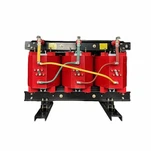


Oil analysis plays a crucial role in transformer maintenance by providing valuable insights into the condition of the transformer and its insulating oil. Here are the key ways in which oil analysis helps in transformer maintenance:
1. Assessment of Insulation Condition: The insulating oil in a transformer serves as a vital component for insulation and cooling. Through oil analysis, various properties of the oil, such as dielectric strength, moisture content, and acidity level, can be evaluated. Changes in these properties can indicate potential issues with the insulation system, allowing operators to take preventive measures before major problems arise.
2. Detection of Contaminants: Insulating oil can become contaminated over time due to factors such as moisture ingress, oxidation, and the presence of solid particles. Oil analysis can identify various contaminants present in the oil, such as water, gases, metals, and particulate matter. By monitoring contaminant levels through oil analysis, operators can assess the cleanliness of the oil and take corrective actions to prevent further degradation of the transformer insulation.
3. Identification of Potential Faults: Certain fault conditions in transformers, such as overheating, arcing, and partial discharge, can lead to the degradation of the insulating oil. Oil analysis can detect the byproducts generated during these fault conditions, such as furans, acids, and gases, providing early warning signs of potential faults within the transformer. This allows operators to address underlying issues promptly and prevent catastrophic failures.
4. Monitoring of Degradation: Over time, insulating oil and paper insulation within transformers undergo degradation due to thermal and electrical stresses. Oil analysis can track the rate of degradation by evaluating the physical and chemical properties of the oil. By monitoring trends in oil condition over multiple analyses, operators can assess the aging process of the transformer and plan maintenance activities accordingly to extend its lifespan.
5. Optimization of Maintenance Strategies: By incorporating oil analysis as part of a comprehensive maintenance program, operators can adopt a condition-based maintenance approach for transformers. Regular oil sampling and analysis enable operators to schedule maintenance tasks based on the actual condition of the transformer, optimizing maintenance intervals, reducing downtime, and minimizing maintenance costs.
Overall, oil analysis is a valuable diagnostic tool that enables operators to proactively manage transformer health, identify potential issues early on, and make informed maintenance decisions. By leveraging the insights gained from oil analysis, operators can enhance the reliability, performance, and longevity of their transformers while ensuring the safety and efficiency of their power distribution systems.