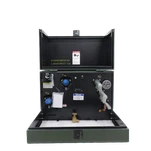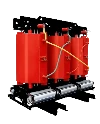


Large transformers, as key components in power systems, play a crucial role in ensuring stable electricity supply. Obvious failures refer to faults that can be directly identified through visual inspections, instrument readings, or simple diagnostic methods. Timely detection and resolution of such failures are vital to maintaining the safe and stable operation of transformers.
Common Characteristics and Handling of Obvious Failures:
Abnormal Oil Level
Failure Characteristics: Oil level outside the normal range, with oil in the oil pillow being too high or too low, or the oil level deviating from the temperature curve. Abnormal oil levels may be caused by oil leakage, oil expansion, or cooling system failure.
On-Site Handling: First, check the sealing of the oil tank and oil pillow to confirm whether there is any oil leakage. Add or replace the oil as needed, and ensure the oil is clean and free from impurities.
Abnormal Load
Failure Characteristics: Transformer load fluctuates excessively, is overloaded, or insufficiently loaded, which could be caused by wiring issues, internal faults, or imbalanced external load distribution.
On-Site Handling: Monitor load data and compare it to the transformer's rated load. Check the electrical connections for looseness or short-circuit issues, and adjust the load distribution as needed.
Accessory Abnormalities
Failure Characteristics: Transformer accessories such as bushings, oil pumps, and fans fail, which may cause the transformer to operate improperly or reduce its efficiency.
On-Site Handling: Check the operating condition of the transformer accessories, particularly the cooling system, oil pumps, and fans. Repair or replace any faulty accessories.
Abnormal Temperature
Failure Characteristics: The oil temperature or winding temperature of the transformer exceeds the normal range, usually due to internal faults, overload, or cooling system failure.
On-Site Handling: Check whether the cooling system is functioning properly, such as confirming if the oil pump is running and whether the heat exchangers are unblocked. If necessary, reduce the load or temporarily shut down the transformer to cool it. Also, check for any obstructions to oil flow.
Abnormal Sound
Failure Characteristics: Under normal operation, transformers emit a uniform humming sound. Irregular or unusual sounds, such as vibrating, crackling, or popping noises, indicate potential issues like internal loosening, overload, or insulation faults.
On-Site Handling: Perform a thorough inspection of the transformer, identifying any loose bolts, fasteners, or other mechanical components. Check for any insulation damage or local overheating. Address the issue according to the specific problem.
Gas Relay Operation
Failure Characteristics: Gas relay activation typically indicates a serious fault inside the transformer, such as short circuits or overheating, leading to gas accumulation.
On-Site Handling: Immediately shut down the transformer and check the gas composition in the gas relay. If the gas is combustible, further oil sample analysis and electrical testing should be conducted to determine the fault cause. The transformer should not be put back into operation until the fault is clearly identified.
Oil Leakage
Failure Characteristics: Oil leakage from the transformer, usually around joints, valves, or the oil pillow, if left untreated, can lead to insufficient oil levels or external contamination.
On-Site Handling: Check the sealing parts, gaskets, bolts, and welding quality to identify the leakage point. Repair the leak and ensure that the oil level is back to normal.
Gas Abnormalities
Failure Characteristics: Gas leaks or gas relay activation may indicate internal transformer issues. The color, smell, and flammability of the gas can reveal the nature of the fault, such as yellow gas indicating overheating of insulation materials or black/gray gas suggesting decomposition of transformer oil.
On-Site Handling: Take gas samples for analysis to determine whether insulation breakdown, short circuits, or overheating has occurred. Based on the gas analysis results, conduct electrical tests and diagnose the fault further before addressing the problem.
General Steps for On-Site Handling:
Shut Down and Isolate the Fault Source: If an obvious failure occurs, the first step is to shut down the transformer and ensure the safety of the equipment. Avoid further operation of the transformer to prevent the fault from escalating.
Perform Safety Checks and Isolation: Conduct a safety inspection of the transformer to ensure there are no fire hazards or other risks. Isolate relevant equipment and disconnect the power supply before proceeding with repairs.
Visual Inspection: Perform a visual inspection of the transformer, checking the oil level, temperature, sound, accessories, and any oil leakage. Promptly identify and address any abnormalities.
Detailed Diagnosis: Use electrical testing tools, such as temperature sensors, current and voltage monitors, and gas analyzers, to perform further diagnosis.
Repair or Replace Faulty Parts: Based on the diagnosis, repair or replace damaged parts. If necessary, perform a major overhaul or oil replacement to ensure the transformer continues to operate safely.
Record and Feedback: Document all repair processes, problems encountered, and solutions. Analyze the data for future reference to facilitate regular inspections and prevent similar failures from occurring.
By promptly identifying and addressing obvious failures, the risk of serious transformer faults can be significantly reduced, extending the life of the equipment and ensuring the stability and reliability of the power system.