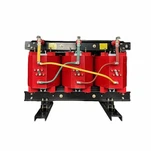


Choosing between copper and aluminum as winding materials in transformers is a critical decision that affects performance, efficiency, cost, and longevity. Both materials have their advantages, and the right choice depends on the application and budget.
Copper Windings: High Conductivity & Durability
Copper is widely used in transformers due to its superior electrical and mechanical properties:
- Higher Conductivity: Copper offers better electrical conductivity, reducing energy losses and improving transformer efficiency.
- Compact Design: Due to its conductivity, copper windings require less cross-sectional area, making transformers more compact.
- Durability: Copper is more resistant to mechanical stress and thermal expansion, improving reliability and longevity.
- Higher Initial Cost: Despite its benefits, copper is more expensive, impacting the initial investment.
Aluminum Windings: Cost-Effective & Lightweight
Aluminum is an alternative winding material, offering key benefits:
- Lower Cost: Aluminum is significantly cheaper than copper, reducing overall transformer costs.
- Lighter Weight: Aluminum windings make the transformer lighter, which is beneficial for transportation and installation.
- Larger Size Required: Due to lower conductivity, aluminum windings need a larger cross-section to match copper's performance.
- Corrosion Considerations: Proper termination and protection against oxidation are required to maintain long-term reliability.
Which One to Choose?
For high-performance applications, where efficiency, durability, and space constraints matter, copper is preferred.
For cost-sensitive projects that require lightweight and budget-friendly solutions, aluminum is a viable option.
At Ryan Electric, we offer both copper and aluminum winding transformers, ensuring optimal solutions for various industries. Contact us today to find the best transformer for your needs!
#TransformerWinding #CopperVsAluminum #EnergyEfficiency #ElectricalEngineering #PowerSolutions