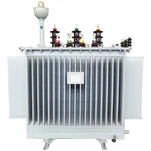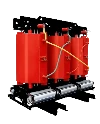


Transformer cores are essential components in power systems, responsible for providing the magnetic circuit for the electromagnetic induction process. The proper grounding of transformer cores is crucial for their safe and efficient operation. This article will delve into the reasons why transformer cores must be grounded at only one point.
Introduction
Transformer cores are typically made of laminated silicon steel sheets to minimize eddy current losses. These cores are surrounded by windings, which carry the primary and secondary currents. The grounding of transformer cores is a critical aspect of transformer design and maintenance, as it directly impacts the safety and performance of the transformer.
Importance of Core Grounding
The primary purpose of grounding transformer cores is to provide a low-impedance path for any stray currents or voltages that may develop. This helps in dissipating any unwanted electrical energy and prevents the accumulation of static charges on the core, which could lead to arcing or discharge. Proper grounding also helps in maintaining the stability and reliability of the transformer.
Why One Point Grounding?
Transformer cores are designed to operate with a single grounding point. This is because multiple grounding points can lead to several issues that can compromise the transformer's performance and safety. Here are the key reasons why transformer cores must be grounded at only one point:
Prevention of Circulating Currents:
When transformer cores are grounded at multiple points, a closed loop is created. When the magnetic flux generated by the primary and secondary windings passes through this closed loop, it induces a circulating current. This circulating current can lead to significant heating of the core, which can cause thermal damage and reduce the transformer's efficiency. The heating can also lead to the deterioration of the insulation materials, potentially causing a short circuit.
Avoidance of Eddy Currents:
The laminated structure of transformer cores is designed to minimize eddy current losses. Multiple grounding points can create additional paths for eddy currents to flow, which increases the energy losses and can lead to overheating of the core. By grounding the core at only one point, the flow of eddy currents is minimized, ensuring optimal energy efficiency.
Maintaining Electrical Stability:
A single grounding point helps in maintaining the electrical stability of the transformer. Multiple grounding points can lead to potential differences between different parts of the core, which can cause arcing or discharge. This can damage the insulation and potentially lead to transformer failure.
Compliance with Standards and Best Practices:
Industry standards and best practices recommend grounding transformer cores at only one point. This is based on extensive research and experience in transformer design and operation. Adhering to these guidelines helps in ensuring the reliability and safety of transformer installations.
Practical Considerations
In practice, grounding transformer cores at only one point requires careful planning and execution. The grounding point should be selected such that it provides a low-impedance path for any stray currents or voltages. The grounding connection should be robust and reliable, ensuring that it does not degrade over time due to corrosion or other factors.
Conclusion
In summary, grounding transformer cores at only one point is crucial for their safe and efficient operation. This practice helps in preventing circulating currents, avoiding eddy current losses, maintaining electrical stability, and complying with industry standards. By grounding transformer cores properly, we can ensure the reliability and safety of transformer installations, contributing to the overall stability and efficiency of power systems.