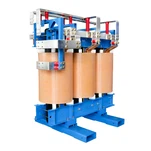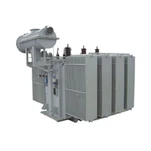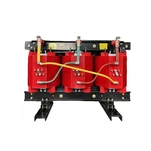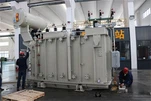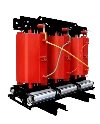


Transformer core lifting inspection is a crucial part of the regular maintenance or troubleshooting process for transformers, ensuring their performance and safety in the power system. This article outlines the steps and considerations for conducting a transformer core lifting inspection.
I. Preparation Before Core Lifting
Environmental Preparation: The inspection should be carried out in a dry and clean environment. If it must be done outdoors, ensure the site is flat, clean, and protected from foreign objects and dust. The inspection should be conducted on a clear, windless day, avoiding rainy, snowy weather or conditions with relative humidity exceeding 75%.
Equipment Preparation: Ensure that the lifting equipment has sufficient capacity, and the steel wires are free from damage, breaks, or twists. The angle between the lifting rope and the vertical line should not exceed 30°. If this requirement cannot be met, auxiliary lifting beams should be used.
Personnel Preparation: The entire core lifting operation should be under the unified command of a designated person. A fence should be set up around the site, and unauthorized personnel should be kept out. Inspection personnel should wear clothes without buttons and avoid carrying hard objects like coins, to prevent them from falling into the transformer.
II. Steps for Core Lifting Inspection
Oil Drainage: Before lifting out the core, drain a portion of the transformer oil from the tank to prevent oil leakage during disassembly.
Disassembly of the Top Cover: After draining the oil, disassemble the top cover of the transformer and other connected components, such as bushings, oil conservators, explosion-proof valves, fan motors, and radiators.
Lifting Out the Core: Use lifting equipment to slowly lift out the core. During the lifting process, ensure that the core does not collide with the outer casing to avoid damaging internal components. The lifting speed should be slow, and the fixation of the core by the lifting device should be observed.
Inspection of the Core: Once the core is lifted out, first inspect its appearance for deformation, burn marks, or discharge traces. Then check the grounding of the core to ensure that the grounding strap is securely connected. Additionally, inspect the insulation of the core, including the insulation between the laminations and the ground.
Inspection of the Windings: The windings are key components of the transformer, and their insulation status directly affects the transformer's performance. Carefully observe the windings for cracks, swelling, or delamination. Also, check the integrity of the insulation layer on the windings for discoloration, cracking, or puncture.
Inspection of the Lead Wires and Their Support Structures: The insulation status of the lead wires and their support structures is also a focus of the inspection. Check the insulation distance of the lead wires, the quality of the welded joints, and the integrity of the insulation layer.
Inspection of the Tap Changer: The tap changer is used to adjust the transformer's voltage output, and its performance directly affects the stability and safety of the transformer. When inspecting the tap changer, pay attention to its contact pressure, rotational flexibility, and whether the external position indicator matches the tap position.
III. Post-Inspection Handling
Cleaning and Reassembly: After the inspection, clean the core with qualified transformer oil to ensure no debris is left behind. Then, reassemble the core and refill the oil to the normal level.
Recording and Reporting: During the inspection, detailed records should be kept of all findings, including identified issues and corrective actions. After the inspection, prepare a detailed report to provide a basis for subsequent maintenance and upkeep.
Acceptance and Handover: Upon completion of the core lifting inspection, invite the acceptance team to conduct an inspection. Once accepted, the transformer can be handed over for use.
IV. Precautions
Safety First: Safety should always be the top priority throughout the core lifting inspection process. Ensure that all operations comply with safety regulations to avoid accidents.
Careful Operation: Core lifting inspection is a delicate task that requires a high degree of responsibility and care from the operators. During the inspection, every detail should be carefully observed to ensure that no issues are overlooked.
Professional Guidance: For operators with limited experience, it is advisable to conduct the core lifting inspection under the guidance of professionals. This can ensure the accuracy and effectiveness of the inspection.
By following these steps and precautions, a transformer core lifting inspection can be carried out smoothly, and the accuracy of the inspection results can be ensured. This is of great significance for safeguarding the performance and safety of the transformer.