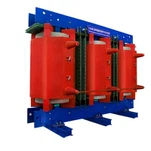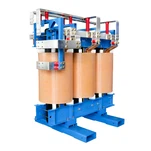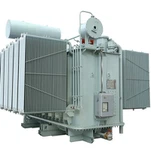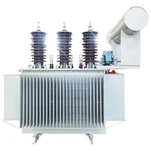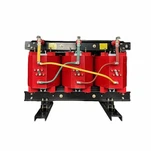


Pole-mounted transformers are commonly used in electricity distribution systems to step down high-voltage electricity to lower voltages suitable for use in homes, businesses, and other facilities. These transformers typically step down high voltage electricity (such as 7,200 volts, 12,470 volts, or 24,900 volts) to standard residential or commercial voltages.
The most common voltages that pole-mounted transformers step down to are:
1. Single-phase residential service:
- 120/240 volts (split-phase system) for residential use in North America.
- 230 volts for residential use in many other parts of the world.
2. Three-phase commercial service:
- 120/208 volts or 277/480 volts for commercial and industrial applications in North America.
- 400 volts for commercial and industrial use in many other regions.
These voltages are standardized for safe and efficient distribution of electricity to consumers. The pole-mounted transformers play a crucial role in ensuring that the electricity supplied to homes and businesses is at the appropriate voltage levels for safe and effective use.