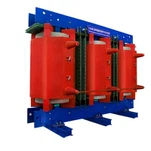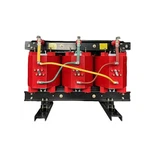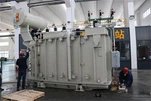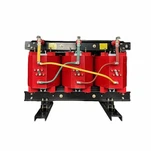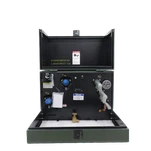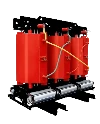


The protection of a dry-type transformer refers to the measures and systems used to prevent damage, ensure safety, and maintain reliability during operation. Since dry-type transformers (unlike oil-immersed transformers) use air for cooling and insulation, they have different protection needs.
Here are the key types of protection used for dry-type transformers:
1. Thermal Protection
Temperature Sensors (PT100, Thermistors, RTDs): Installed inside the windings and core to monitor temperature.
Temperature Relays: Trigger alarms or shutdowns if temperatures exceed safe limits.
Fans or Forced Air Cooling Systems: Activated when temperatures rise beyond a set point.
2. Overcurrent Protection
Fuses or Circuit Breakers: Protect the transformer from excessive current that could cause overheating or damage.
Relays (e.g., Overcurrent Relays): Detect and isolate faults.
3. Short-Circuit Protection
Fast-acting fuses or protection relays cut off the circuit quickly if a short circuit occurs.
4. Earth Fault Protection
Ground Fault Relays: Detect low-level faults to earth/ground and trip the transformer to prevent damage.
5. Surge and Overvoltage Protection
Surge Arresters: Protect the transformer from voltage spikes caused by lightning or switching operations.
6. Protection Against Environmental Conditions
Enclosures (IP Rated): Protect against dust, moisture, and corrosive environments.
Dehumidifiers or Heaters: In humid areas, these help prevent condensation inside the transformer.
7. Mechanical Protection
Vibration Sensors: Detect abnormal vibration due to internal faults or external issues.
In short:
Protection for a dry-type transformer mainly focuses on thermal monitoring, electrical fault detection, environmental shielding, and mechanical integrity.