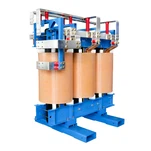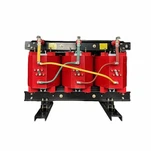


The signal temperature meter for dry-type transformers is mainly used to monitor the temperature of the transformer in real-time to ensure normal operation and prevent damage or failure due to overheating. The signal temperature meter should have the following basic functions:
Temperature Measurement and Display:
It should measure the temperature of the transformer in real-time, typically including winding temperature and oil temperature, and display the temperature on a screen. The display can be digital or analog.
Temperature Alarm Function:
If the transformer's temperature exceeds the set safe range, the temperature meter should trigger an alarm (such as an audible or visual alarm or send alerts via remote communication). This function helps to detect overheating problems promptly and avoid equipment damage.
Data Recording and Storage:
It should be capable of recording temperature data and have some storage functionality for later analysis and fault diagnosis. Some signal temperature meters can also connect to a computer via interfaces to export data for analysis.
Accuracy and Stability of Temperature Sensor:
The sensor should have high accuracy and good stability to ensure reliable and accurate measurement results, avoiding incorrect judgments caused by errors.
Multi-Point Temperature Monitoring:
For larger transformers, it may be necessary to monitor temperatures at multiple locations. The signal temperature meter should support multi-point temperature collection and display, such as measuring different windings, oil temperature, and temperatures at various points to provide a comprehensive view of the transformer's temperature status.
Remote Monitoring and Communication:
Modern signal temperature meters often have remote monitoring capabilities, allowing temperature data to be transmitted to a control room or management platform via communication protocols like Modbus, RS-485, etc., making it easy for staff to monitor in real-time.
Automatic Adjustment and Self-Calibrating Function:
Some high-end signal temperature meters have automatic adjustment and self-calibration features, which can adjust measurement accuracy based on environmental changes, ensuring precision over long-term use.
Protective Design:
Since dry-type transformers may operate in harsh environments, the signal temperature meter should have a certain level of protection (such as dustproof and waterproof) to ensure stable operation under various environmental conditions.
Low Power Consumption and Long Lifespan:
The signal temperature meter should have low power consumption and a long service life to ensure stable operation over time, reducing the frequency of maintenance and replacement.
Temperature Trend Analysis:
Advanced signal temperature meters can analyze temperature trends, helping predict potential faults or abnormalities, allowing for preventive measures to be taken in advance.
These functions collectively ensure that the dry-type transformer operates within a safe temperature range, improving its reliability and extending its service life.