

Choosing Between Dry-Type and Oil-Immersed Transformers: Key Considerations
Transformers are essential components in electrical systems, responsible for stepping up or stepping down voltage levels to ensure efficient power distribution. When selecting a transformer, one of the primary decisions is whether to use a dry-type transformer or an oil-immersed transformer. The choice depends on several factors, including the application environment, safety requirements, maintenance considerations, and cost. Below, we explore the key scenarios where each type of transformer is most suitable.
1. Dry-Type Transformers
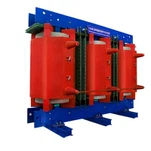
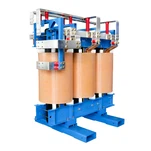
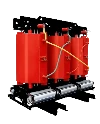
Dry-type transformers use air or solid insulation (such as epoxy resin) to cool and insulate the windings, making them a safer and more environmentally friendly option. They are ideal for the following applications:
a. Indoor Installations
Dry-type transformers are often preferred for indoor use, especially in buildings where fire safety is a concern. Since they do not use flammable oil, they pose a lower risk of fire or explosion, making them suitable for:
Commercial buildings (e.g., offices, shopping malls)
Hospitals and healthcare facilities
Schools and universities
Data centers and telecommunications facilities
b. Environmentally Sensitive Areas
In locations where environmental protection is a priority, dry-type transformers are a better choice. They do not require oil, eliminating the risk of oil leaks or spills that could harm the environment. This makes them suitable for:
Residential areas
Protected natural zones
Areas with strict environmental regulations
c. Low Maintenance Requirements
Dry-type transformers require minimal maintenance compared to oil-immersed transformers. They are a good fit for applications where regular maintenance is challenging or costly, such as:
Remote or hard-to-access locations
Facilities with limited technical staff
d. Space Constraints
Dry-type transformers are generally more compact and lightweight, making them suitable for installations where space is limited, such as:
Urban substations
High-rise buildings
2. Oil-Immersed Transformers
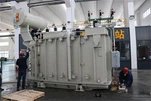
Oil-immersed transformers use mineral oil or synthetic fluids for cooling and insulation. They are known for their high efficiency and ability to handle large loads, making them suitable for the following scenarios:
a. Outdoor Installations
Oil-immersed transformers are commonly used in outdoor settings, where their larger size and cooling requirements are less of a constraint. They are ideal for:
Power generation plants
Utility substations
Industrial facilities
b. High Power Applications
For applications requiring high power ratings (typically above 10 MVA), oil-immersed transformers are often the preferred choice. Their superior cooling capabilities allow them to handle heavy loads efficiently, making them suitable for:
Large-scale industrial operations
Power transmission networks
c. Harsh Environments
Oil-immersed transformers are more robust and can withstand harsh environmental conditions, such as extreme temperatures, humidity, and pollution. They are commonly used in:
Mining operations
Oil and gas facilities
Coastal areas with high salinity
d. Cost-Effective Solutions
In applications where initial cost is a primary concern, oil-immersed transformers are often more economical, especially for high-capacity requirements. They are widely used in:
Developing regions with budget constraints
Large-scale infrastructure projects
Key Considerations for Decision-Making
When deciding between dry-type and oil-immersed transformers, consider the following factors:
Safety: Dry-type transformers are safer for indoor and populated areas due to their non-flammable nature.
Environment: Dry-type transformers are more environmentally friendly, while oil-immersed transformers require careful handling to prevent oil contamination.
Maintenance: Dry-type transformers require less maintenance, whereas oil-immersed transformers need regular oil testing and filtration.
Efficiency: Oil-immersed transformers are generally more efficient for high-power applications.
Cost: Dry-type transformers are more expensive upfront but may save costs in maintenance and safety measures. Oil-immersed transformers have lower initial costs but higher operational expenses.
Conclusion
The choice between dry-type and oil-immersed transformers depends on the specific requirements of the application. Dry-type transformers are ideal for indoor, environmentally sensitive, and low-maintenance scenarios, while oil-immersed transformers excel in outdoor, high-power, and cost-sensitive applications. By carefully evaluating the operational environment, safety concerns, and budget constraints, you can select the transformer type that best meets your needs.