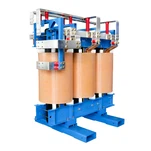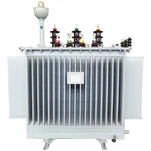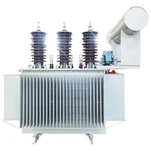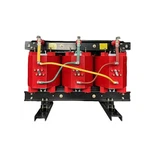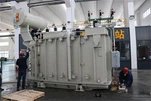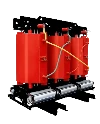


In the context of electrical transformers, the coils are typically made of copper or aluminum wire. These materials are chosen for their excellent electrical conductivity and mechanical properties.
Copper is the most commonly used material for transformer coils due to its superior electrical conductivity. It has low resistance, which helps minimize energy losses and heat generation during the transformation of electrical energy. Copper also has good mechanical strength and is ductile, making it suitable for winding and shaping into coil configurations.
In some cases, aluminum wire is used as an alternative to copper, especially in larger power transformers. Aluminum is less expensive than copper, and its lighter weight can be advantageous for certain applications. However, aluminum has higher electrical resistance than copper, which can result in slightly higher energy losses and reduced efficiency.
Regardless of the material used, the wire is typically insulated to prevent short circuits and enhance electrical safety. Insulation materials such as enamel, paper, or synthetic resins are applied to the wire to provide electrical insulation between individual turns of the coil and between different windings within the transformer.