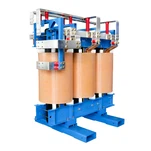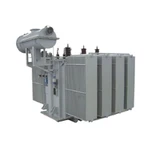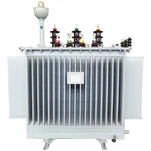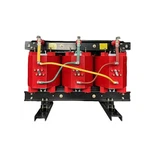


Measuring transformer core losses is an important method for evaluating transformer performance and efficiency. Here are some common methods used to measure core losses:
- Open Circuit Test: This is one of the most commonly used methods. In an open circuit test, one side of the transformer (usually the secondary side) is energized while the other side remains open. By measuring the input power and no-load current, core losses can be calculated.
- Short Circuit Test: In a short circuit test, one side of the transformer (usually the primary side) is shorted to generate rated current. By measuring the input power, voltage, and current, core losses can be calculated.
- Open Short Circuit Test: This method combines both open circuit and short circuit tests. By conducting open circuit and short circuit tests on both sides, transformer core losses can be more accurately measured.
- Backward Method: By utilizing the difference between the short circuit current and rated current of the transformer, along with input power and voltage measurements, core losses can be deduced.
- Frequency Scan Method: This method evaluates core losses by changing the input frequency and measuring the transformer's response to determine losses at different frequencies.
- Thermal Balance Method: Indirectly calculating core losses by measuring temperature changes and heat losses of the transformer.
The choice of method depends on the specific design and requirements of the transformer. Accurately measuring core losses allows for the assessment of transformer performance and necessary optimizations to improve efficiency and reduce energy wastage.