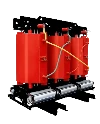


The causes of transformer overheating can be multifaceted, encompassing a range of operational and environmental factors. Here are some of the primary reasons:
- Overloading: When a transformer is subjected to a load that exceeds its rated capacity, it can lead to excessive heat generation.
- Cooling System Failures: Malfunctions in cooling mechanisms such as fans or oil pumps can impair the transformer's ability to dissipate heat, resulting in elevated temperatures.
- Internal Faults: Issues such as winding short circuits or insulation degradation can cause additional heat to be produced within the transformer.
- High Ambient Temperature: Elevated environmental temperatures can hinder the transformer's heat dissipation capabilities.
- Deterioration of Oil Quality: Aging or contamination of the transformer oil can reduce its cooling efficiency.
- Loose Connections: Electrical connections that have become loose can increase contact resistance, leading to localized overheating.
- Design or Manufacturing Flaws: Inherent design inadequacies or defects introduced during the manufacturing process can predispose a transformer to overheating during operation.
Prompt identification and rectification of these issues are crucial to prevent transformer overheating and to ensure the safe and reliable operation of the power system.