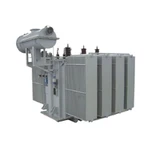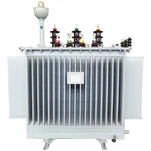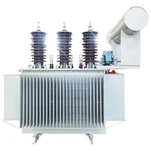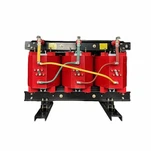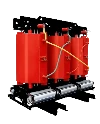


To connect a three-phase transformer, follow these general steps, but always refer to the manufacturer's instructions and local electrical codes, as specific requirements may vary:
1. Safety First: Ensure that all power sources are disconnected and that you have taken appropriate safety precautions, such as wearing protective gear and using insulated tools.
2. Identify the Terminals: Locate the primary and secondary terminals on the transformer. The primary side is where the input power connects, and the secondary side is where the output power is delivered.
3. Primary Connection:
- For a delta connection, connect each phase wire to a pair of primary terminals.
- For a wye (star) connection, connect each phase wire to a primary terminal and join the remaining terminals together to form the neutral point.
4. Secondary Connection:
- Similar to the primary side, connect the secondary terminals in either delta or wye configuration, depending on the required output voltage and the transformer's design.
5. Grounding: Properly ground the transformer according to the local electrical codes to ensure safety and proper operation.
6. Check Connections: Double-check all connections to ensure they are secure and correctly configured.
7. Testing: Before energizing the transformer, perform insulation resistance tests and other recommended checks to ensure there are no short circuits or grounding issues.
8. Energize: Once everything is confirmed to be correct, you can energize the transformer and check the output voltages to ensure they are as expected.