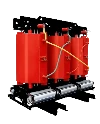


The frequency at which an On-Load Tap Changer (OLTC) switches taps depends on several factors, including the load variability, voltage fluctuations, and the control system settings. However, here's a general idea:
Factors That Influence Tap Change Frequency
1. Load Fluctuations
- More load variation = more frequent tap changes.
- Peak hours and sudden load shifts trigger adjustments.
2. Voltage Regulation Settings
- OLTCs are usually controlled by an Automatic Voltage Regulator (AVR).
- The AVR monitors secondary voltage and issues tap change commands if voltage drifts outside a preset deadband (e.g., ±1.5%).
3. Deadband and Time Delay Settings
- Deadband: Tighter deadbands (narrow voltage range) cause more frequent tap changes.
- Time Delay: A delay (e.g. 30–60 seconds) is often added before executing a tap change to avoid reacting to short-term voltage blips.
4. Grid Stability
- More stable grids = fewer tap changes.
- Grids with large renewable penetration (e.g., solar, wind) may cause more voltage swings, increasing tap changes.
Maintenance Considerations
OLTCs are mechanical devices, and excessive operations can lead to wear and tear. So:
- Manufacturers often rate OLTCs for 500,000 to 1,000,000 operations between major overhauls.
- Utilities typically aim to minimize unnecessary operations to extend lifespan and reduce maintenance.