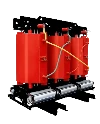


The distance a transformer should be from a fuel tank depends on several factors, including local regulations, the type of transformer, the type of fuel, and the specific safety requirements of the installation. Here are some general guidelines:
- National Electrical Code (NEC): In the United States, the NEC provides guidelines for the placement of electrical equipment near flammable materials. According to NEC Article 450, transformers should be installed in a way that minimizes the risk of fire and explosion. This often means maintaining a safe distance from flammable liquids like fuel.
- National Fire Protection Association (NFPA): NFPA 30, the Flammable and Combustible Liquids Code, provides specific requirements for the storage and handling of flammable liquids. It may specify minimum distances between electrical equipment and fuel storage tanks.
- Local Regulations: Always check with local building codes and fire safety regulations, as they may have specific requirements that exceed national standards.
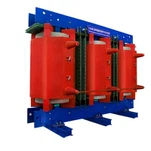
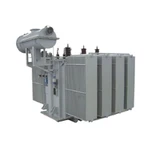
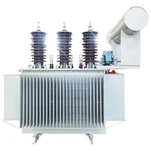
- Transformer Type: Dry-type transformers generally have fewer restrictions compared to oil-filled transformers, which pose a higher fire risk due to the presence of combustible oil.
- Fuel Type: The type of fuel being stored (e.g., gasoline, diesel, propane) can also affect the required distance. More volatile fuels may require greater distances.
- Barriers and Enclosures: In some cases, physical barriers or fire-resistant enclosures can be used to reduce the required distance between a transformer and a fuel tank.