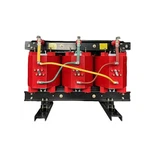


In a Dyn11 transformer configuration, the presence of the neutral point can impact the grounding resistance of the transformer and the overall electrical system. Here's how the Dyn11 neutral point can influence grounding resistance:
1. Grounding Impedance and Resistance:
- The neutral point of a transformer in a Dyn11 configuration provides a reference point for grounding the transformer and the electrical system. When the neutral point is grounded, it typically involves connecting the neutral point to the ground through a grounding electrode or system.
- The grounding system includes grounding electrodes, conductors, and connections designed to provide a low-resistance path for fault currents to flow to the ground. The grounding resistance is a measure of the impedance of the grounding system and determines how effectively fault currents can be safely dissipated.
2. Effect of Neutral Point on Grounding Resistance:
- Grounding the neutral point in a Dyn11 transformer configuration can impact the overall grounding resistance of the system. The presence of the neutral point allows for a solid connection to the ground, providing a low-impedance path for fault currents to return to the source.
- By grounding the neutral point, the effective grounding resistance of the system is reduced, as fault currents have a direct path to the ground through the neutral connection. This helps to ensure that fault currents are quickly and safely cleared from the system, minimizing the risk of electrical hazards and equipment damage.
3. Grounding System Design and Maintenance:
- The design and maintenance of the grounding system in a Dyn11 transformer installation are crucial for achieving low grounding resistance and ensuring effective fault protection. Proper grounding system design involves selecting suitable grounding electrodes, ensuring proper installation of grounding conductors, and regularly testing and maintaining the grounding system to verify its integrity.
- Regular testing of the grounding resistance using techniques such as fall-of-potential testing or clamp-on ground resistance testing helps to assess the effectiveness of the grounding system and identify any issues that may increase grounding resistance.
4. Safety and System Reliability:
- A low grounding resistance in a Dyn11 transformer installation enhances electrical safety and system reliability by facilitating the rapid dissipation of fault currents to the ground. A well-designed and properly maintained grounding system with low grounding resistance helps to protect personnel, equipment, and the electrical infrastructure from the effects of faults and lightning strikes.
- Ensuring a low grounding resistance through effective grounding system design and maintenance is essential for maintaining a safe and reliable electrical system, complying with regulatory requirements, and minimizing the risk of electrical accidents and interruptions.