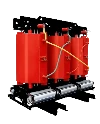


Pad-mount Transformer
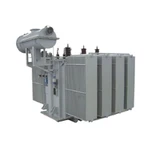
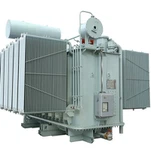
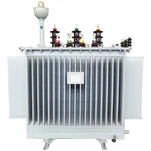
A padmount transformer, also known as an underground transformer or a substation transformer, is a type of electrical transformer that is designed to be installed on the ground surface, typically in a pad or vault. It is commonly used to step down high-voltage electricity from the distribution lines to lower voltage levels suitable for local use in residential, commercial, or industrial areas.

Here's a basic overview of how a padmount transformer works:
- Enclosure
A padmount transformer is housed in a sturdy, weatherproof enclosure made of materials like steel or concrete. This enclosure protects the transformer from external elements such as moisture, dust, and physical damage.
- Primary and Secondary Windings
The transformer consists of primary and secondary windings. The primary winding is connected to the high-voltage distribution lines, while the secondary winding provides the lower voltage output.
- Core and Coil
Inside the enclosure, there is a core made of laminated steel. The primary and secondary windings are wound around this core. The core's purpose is to create a magnetic circuit that transfers electrical energy from the primary to the secondary winding.
- Insulation
The windings are insulated to prevent electrical leakage and ensure safe operation. Insulation materials such as paper, oil-impregnated paper, or synthetic materials are used to separate the windings and provide electrical insulation.
- Cooling System
Padmount transformers often use oil as a coolant and insulator. The transformer's core and windings are immersed in a specially formulated transformer oil that helps dissipate heat generated during operation. The oil also provides additional insulation and protects the windings from moisture and contaminants.
- Bushings and Terminals
Bushings are insulated devices that provide electrical connections between the transformer windings and external conductors. They allow for safe and reliable connection of high-voltage and low-voltage cables. Terminals are used for connecting the transformer to the distribution lines and the load.
- Protection and Monitoring
Padmount transformers are equipped with various protective devices and monitoring systems. These may include fuses, circuit breakers, temperature sensors, pressure relief devices, and oil level indicators. These features help ensure the safe and efficient operation of the transformer by detecting and responding to abnormal conditions such as overloads, short circuits, or overheating.
In summary, a padmount transformer steps down high-voltage electricity from the distribution lines to lower voltage levels suitable for local use. It consists of primary and secondary windings, a core, insulation, a cooling system, bushings, terminals, and protective devices. The transformer's operation relies on electromagnetic principles and insulation techniques to transfer electrical energy efficiently and safely.