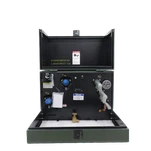


Grounding Continuity of GIS (Gas-Insulated Switchgear) Enclosure
Grounding continuity of the GIS (Gas-Insulated Switchgear) enclosure is critical for ensuring the safety, operational reliability, and effective fault protection of the system. Proper grounding ensures that any fault currents or stray currents from internal electrical components are safely conducted to earth, preventing electrical hazards and equipment damage.
1. Importance of Grounding Continuity in GIS
Safety: Grounding of the GIS enclosure prevents electrical shock hazards to personnel who may come into contact with the switchgear. It ensures that the metal enclosures do not accumulate dangerous voltage levels that could cause harm.
Fault Current Path: Proper grounding provides a low-resistance path for fault currents, ensuring that overcurrent protection devices, such as circuit breakers or fuses, will operate effectively in the event of a fault. This reduces the risk of further damage to equipment or fire hazards.
Electromagnetic Interference (EMI) Reduction: Grounding helps to reduce electromagnetic interference, which is essential for maintaining the performance and reliability of sensitive electronic equipment and communication systems in the vicinity of the GIS.
Leakage Current Control: Maintaining continuity of the grounding system ensures that any leakage currents from the equipment are safely routed to the ground, preventing insulation breakdown or hazardous voltage buildup.
2. Components of GIS Grounding System
The GIS grounding system typically involves several interconnected components, including:
Enclosure Grounding: The metallic shell or body of the GIS unit (which includes the steel frame, cabinet, and door) must be properly grounded. This ensures that any fault or leakage current is directed to the earth, preventing any risk of electric shock to personnel.
Earthing of Conductors: Grounding is also necessary for the GIS electrical conductors, such as busbars and cables that carry the live electrical currents. These conductors should be grounded at specific points, such as at the transformer neutral or at the GIS frame, depending on the installation design.
Earthing System for Equipment: Additional equipment, such as grounding rods, busbars, and earthing cables, are used to establish a reliable connection between the GIS enclosure and the earth. This provides an effective path for fault currents and helps ensure that all parts of the GIS are at the same potential as the ground.
Grounding of Auxiliary Components: Some GIS systems also include auxiliary equipment such as ventilation units, control panels, and instrumentation, all of which may need separate grounding connections to ensure the overall system's electrical safety.
3. Ensuring Grounding Continuity
Ensuring that the grounding system remains intact over the operational life of the GIS requires regular inspection, testing, and maintenance. The following steps are typically taken to ensure grounding continuity:
a. Visual Inspection
Inspect the grounding connections for any visible damage, wear, or corrosion. Corroded or loose connections can result in a high-resistance path, compromising the efficiency of the grounding system.
Verify the grounding conductors' condition, ensuring that there is no breakage, wear, or loose contacts that could interfere with the continuous flow of fault currents.
b. Continuity Testing
Continuity Testing with a Multimeter: Using a digital multimeter or continuity tester, check the resistance between the GIS enclosure and the earth ground. The resistance should ideally be very low (typically less than 1 ohm). If the resistance is high, there may be a break in the grounding connection or corrosion in the conductors.
Ground Resistance Measurement: Perform ground resistance testing using an earth resistance tester (such as a fall-of-potential method or clamp-on ground resistance tester) to verify that the grounding system provides an acceptable low-resistance path to earth. Typically, the resistance should not exceed 10 ohms, though this may vary depending on the location and design.
c. Periodic Grounding System Inspections
Maintenance of Grounding Conductors: Over time, grounding conductors may degrade due to environmental factors such as corrosion, mechanical wear, or exposure to chemicals. Regular inspection and replacement of any damaged components are necessary to maintain the integrity of the grounding system.
Inspection of Grounding Electrodes: Grounding electrodes, such as ground rods, plates, or rings, should be checked periodically for corrosion, sediment buildup, or loss of contact with the soil, all of which could impair their effectiveness. Ensure that the electrodes remain in good condition to provide a safe and continuous grounding path.
d. Monitoring of Grounding Connections
Remote Monitoring Systems: Some GIS installations may be equipped with remote monitoring systems that continuously monitor the status of the grounding system. These systems can detect any faults or disconnections in real time, alerting maintenance personnel to take corrective actions.
Thermal Imaging: Use thermal imaging to detect any hot spots in the grounding connections that could indicate poor contact or high resistance. Overheating in grounding conductors is a sign of inadequate grounding continuity and should be addressed immediately.
4. Grounding Continuity in GIS Safety Standards
GIS installations must comply with various international and local safety standards related to grounding, such as:
IEC 62271 (International Standard for High-Voltage Switchgear): This standard provides guidelines for the installation, operation, and maintenance of high-voltage switchgear, including grounding requirements to ensure personnel safety and system protection.
IEEE 80 (Standard for Grounding of Industrial and Commercial Power Systems): This standard outlines the requirements for grounding systems in electrical power systems, with specific recommendations for switchgear and substations.
NFPA 70 (National Electrical Code): In the U.S., this code provides guidelines for electrical grounding systems to prevent electrical shock and fire hazards.
ANSI C37.20.7: Specific standards for the design, operation, and maintenance of gas-insulated switchgear, including requirements for grounding continuity.
5. Conclusion
Grounding continuity of GIS enclosures is essential for the safety and proper functioning of gas-insulated switchgear systems. A well-designed and maintained grounding system ensures safe fault current dissipation, reduces electrical hazards, and contributes to the overall reliability of the electrical grid. Regular inspections, continuity testing, and adherence to relevant standards and codes are essential for maintaining grounding continuity and ensuring the safety of both equipment and personnel.