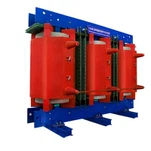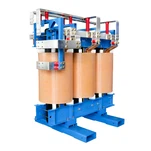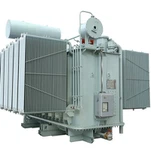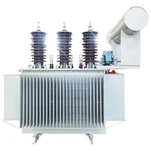


Cast resin transformers, also known as dry-type transformers, offer several advantages compared to traditional liquid-filled transformers.
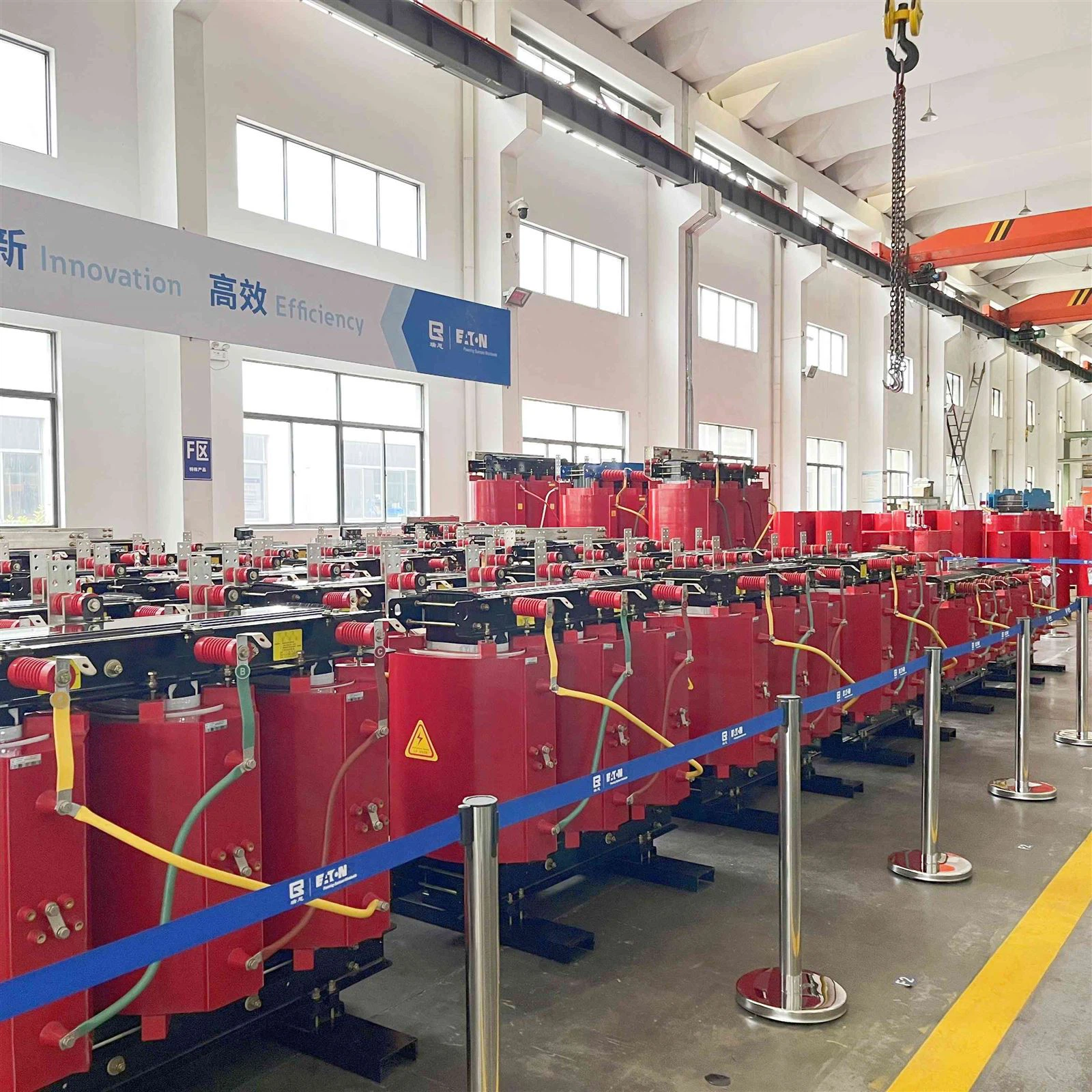
Advantages
Safety
Cast resin transformers are inherently safer because they do not use flammable liquids such as oil. This eliminates the risk of fire and explosion, making them suitable for indoor installations, especially in areas where fire safety is critical, such as commercial buildings, hospitals, and high-rise structures.
Environmental friendliness
Cast resin transformers are more environmentally friendly than oil-filled transformers. They do not contain hazardous substances like oil, which reduces the risk of soil and water contamination in case of leaks or spills. Additionally, cast resin transformers have a lower carbon footprint and are easier to recycle at the end of their service life.
Maintenance-free operation
Cast resin transformers require minimal maintenance compared to oil-filled transformers. They do not need regular oil testing, purification, or replacement, resulting in reduced maintenance costs and downtime. This makes them a cost-effective option in the long run.
Compact and lightweight
Cast resin transformers are generally more compact and lightweight than oil-filled transformers of similar power ratings. This makes them easier to transport, install, and integrate into existing electrical systems. The reduced size also allows for more flexible placement options in limited space environments.
Improved thermal performance
Cast resin transformers have excellent thermal conductivity and can dissipate heat effectively due to the absence of oil. This results in better temperature regulation and higher overload capacity, allowing the transformer to operate at higher loads without compromising reliability.
It's important to note that cast resin transformers may have some limitations too, such as lower maximum power ratings compared to oil-filled transformers and higher initial costs. However, their advantages often outweigh these limitations, making them a preferred choice in various applications where safety, environmental concerns, and performance are crucial factors.