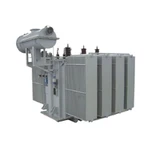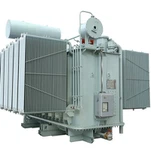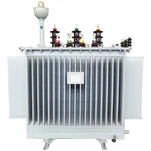


A dry-type transformer, also known as a dry transformer or cast resin transformer, is a type of electrical transformer that does not require a liquid-based cooling system such as oil. Instead, it uses solid insulation materials to provide electrical insulation and dissipate heat.
Dry-type transformers are commonly used in various applications, including commercial buildings, industrial facilities, power distribution networks, renewable energy systems, and indoor installations where fire safety is a concern. They are available in a wide range of sizes and voltage ratings to suit different power requirements.
For information on other types of transformers and electrical equipment, please visit Ryan. Ryan is a professional manufacturer of transformers with a history of over 15 years in the industry.
Why dry type transformers are used ?
1.Fire safety: Dry-type transformers do not contain flammable liquids such as oil, making them less prone to fire hazards. This makes them suitable for installations in fire-sensitive areas such as commercial buildings, hospitals, schools, and residential complexes.
2.Indoor applications: Dry-type transformers are commonly used in indoor applications where ventilation is limited or where the presence of oil could be problematic. Since they do not require oil-based cooling, there is no risk of oil leakage or contamination, making them a preferred choice for indoor environments.
3.Environmental considerations: Dry-type transformers are more environmentally friendly compared to oil-filled transformers. They eliminate the risk of oil spills or leaks, and they do not require containment systems or oil disposal procedures. This makes them suitable for environmentally sensitive areas or locations where strict environmental regulations are enforced.
4.Maintenance requirements: Dry-type transformers generally require less maintenance compared to oil-filled transformers. They do not need regular oil testing, filtering, or oil replacement. This reduces maintenance costs and downtime associated with transformer maintenance activities.
5.Noise reduction: Dry-type transformers tend to produce less noise compared to oil-filled transformers. The solid insulation materials used in dry transformers dampen vibrations and reduce the overall noise level. This makes them suitable for applications where noise reduction is important, such as hospitals, libraries, or residential areas.
6.High-altitude installations: Dry-type transformers are often preferred for high-altitude installations where oil-filled transformers may experience difficulties due to reduced air pressure. Dry-type transformers do not have this limitation and can operate effectively at high altitudes.
7.Aesthetic considerations: Dry-type transformers are available in compact and aesthetically pleasing designs. They can be easily integrated into architectural designs or installations where visual appeal is a requirement.
It's important to note that the selection of a transformer type depends on various factors, including the specific application, electrical load requirements, safety regulations, and environmental considerations.Consulting Ryan can help you determine the type of transformer that best meets your needs.
Click here to contact Ryan for transformer technical solutions, transformer drawings, and prices.

How do dry transformers work ?
Dry-type transformers consist of two sets of insulated copper or aluminum windings—the primary winding and the secondary winding. The primary winding is connected to the input voltage source, while the secondary winding is connected to the load.
When an alternating current (AC) flows through the primary winding, it creates a magnetic field around the winding. This magnetic field induces a changing magnetic flux in the transformer core.
The changing magnetic flux in the core induces a voltage in the secondary winding according to Faraday's law of electromagnetic induction. The magnitude of the induced voltage depends on the turns ratio between the primary and secondary windings.
The primary winding is typically designed to have a higher voltage level, while the secondary winding is designed to provide the desired lower voltage level for the load. The turns ratio determines the voltage transformation ratio. For example, if the turns ratio is 1:10, a primary voltage of 1000 volts would result in a secondary voltage of 100 volts.
Dry-type transformers use solid insulation materials, such as epoxy resin or cast resin, to provide electrical insulation between windings and other components. These materials have excellent dielectric properties, ensuring safe operation. Heat generated during operation is dissipated through the transformer's surface using natural convection or forced air cooling, typically facilitated by cooling fins or coils.
Like any transformer, dry-type transformers exhibit some power losses during operation. These losses include copper losses (due to the resistance of the windings) and core losses (due to hysteresis and eddy currents). Ryan strives to optimize transformer design to minimize these losses and improve overall efficiency.
Dry-type transformers provide electrical isolation between the input and output windings. They also exhibit load regulation, meaning they can maintain relatively stable output voltage levels even with varying load conditions.
What is the voltage of a dry type transformer ?
The voltage of a dry-type transformer can vary widely depending on its application and specific requirements. Dry-type transformers are available in a range of voltage ratings to accommodate different electrical systems and voltage levels. Here are some common voltage ratings for dry-type transformers:
1.Low Voltage (LV): Dry-type transformers designed for low voltage applications typically have primary voltages ranging from a few hundred volts to a few thousand volts. The secondary voltage can be significantly lower, depending on the desired voltage transformation ratio.
2.Medium Voltage (MV): Dry-type transformers used in medium voltage applications are designed to handle higher voltage levels. The primary voltages can range from a few thousand volts to tens of thousands of volts, while the secondary voltage is typically lower, depending on the required transformation ratio.
3.High Voltage (HV): Dry-type transformers designed for high voltage applications are capable of handling very high primary voltages. The primary voltage can range from tens of thousands of volts to several hundreds of thousands of volts. The secondary voltage is lower, depending on the transformation ratio.


Can dry type transformers be used outside ?
Yes, dry-type transformers can be used outside, but certain considerations need to be taken into account to ensure their proper operation and longevity. Here are some factors to consider when using dry-type transformers outdoors:
1.Enclosure: Dry-type transformers used outdoors should be housed in weatherproof and protective enclosures. These enclosures protect the transformer from environmental elements such as rain, snow, dust, and direct sunlight. The enclosures should have appropriate ingress protection (IP) ratings to prevent water and foreign objects from entering the transformer.
2.Ventilation: Adequate ventilation is essential for dry-type transformers to dissipate heat effectively. Outdoor enclosures should be designed to facilitate proper airflow and prevent overheating. The enclosure should have ventilation openings or fans to ensure sufficient cooling, especially in areas with high ambient temperatures.
3.Environmental Conditions: Dry-type transformers used outdoors should be designed and rated to withstand the specific environmental conditions of the installation location. This includes considering factors such as temperature extremes, humidity, saltwater exposure, and corrosive atmospheres. Special coatings or materials may be required to enhance the transformer's resistance to these conditions.
4.Mounting and Foundation: Proper mounting and foundation are crucial for outdoor installations. The transformer should be securely mounted on a stable and level surface to ensure stability and prevent vibration or movement. Adequate grounding should also be provided to ensure electrical safety.
5.Insulation and Protection: Dry-type transformers used outdoors should have robust insulation systems to withstand the outdoor environment and potential moisture ingress. The transformer should be designed to meet the necessary insulation class and withstand the specified voltage ratings.
6.Accessibility and Maintenance: Outdoor dry-type transformers should be easily accessible for inspection, maintenance, and possible repairs. The enclosure should allow for safe and convenient access to terminals, cooling systems, and other components.
Do dry type transformers have fans ?
Dry-type transformers can have fans or forced air cooling systems, but it is not a universal feature. The inclusion of fans or forced air cooling depends on the specific design and requirements of the transformer. Here are some points to consider:
1.Natural Convection Cooling: Some dry-type transformers rely on natural convection for heat dissipation. These transformers are designed with cooling fins or coils on the outside surface. The heat generated during operation rises naturally, creating a flow of air around the transformer, which aids in heat dissipation. Natural convection cooling does not require fans and is commonly used in smaller and low-power transformers.
2.Forced Air Cooling: In larger dry-type transformers or those with higher power ratings, forced air cooling may be employed. These transformers are equipped with fans or blowers that actively circulate air over the cooling fins or coils. The fans enhance the heat transfer process by increasing the airflow, thereby improving the cooling efficiency of the transformer. Forced air cooling is particularly beneficial in applications where the transformer needs to handle higher loads or operate in environments with elevated ambient temperatures.
The decision to include a fan or forced air cooling system depends on factors such as the transformer's power rating, expected heat dissipation requirements, and environmental conditions. Transformers used in demanding applications or those with higher power ratings often incorporate forced air cooling to ensure effective heat dissipation and maintain optimal operating temperatures.


What are the losses of a dry type transformer ?
Dry-type transformers, like other transformers, experience various types of losses during operation. The losses in a dry-type transformer can be categorized into two main types: copper losses and core losses.
1.Copper Losses: Copper losses occur due to the resistance of the transformer windings. These losses are further divided into two components:
a. Ohmic or I^2R Losses: These losses result from the current flowing through the resistance of the transformer windings. They are directly proportional to the square of the current and are typically referred to as I^2R losses. These losses can be minimized by using larger conductors with lower resistance or by employing higher-grade materials in the transformer windings.
b. Eddy Current Losses: Eddy currents are circulating currents induced in the conductive parts of the transformer core due to the varying magnetic field. These currents cause energy dissipation in the form of heat and are commonly minimized by using laminated or stacked core construction, where the core is made up of thin layers of iron or steel insulated from each other.
2.Core Losses: Core losses occur in the transformer core due to two main factors:
a.Hysteresis Losses: Hysteresis losses result from the repeated magnetization and demagnetization of the transformer core as the alternating current flows through the windings. These losses are caused by the energy required to realign the magnetic domains in the core material and are minimized by using high-quality magnetic materials with low hysteresis loss characteristics.
b.Eddy Current Losses: Eddy currents induced in the transformer core also contribute to core losses. These losses are similar to the eddy current losses in the windings and can be minimized by using laminated or stacked core construction.
The total losses in a dry-type transformer are the sum of copper losses and core losses. Transformer manufacturers provide information on the losses in their transformer specifications, typically expressed as a percentage of the transformer's rated power. The losses affect the transformer's efficiency, with higher losses resulting in lower efficiency.
Efforts are made to optimize transformer design and construction to reduce losses and improve overall efficiency. This includes selecting appropriate core materials, optimizing winding designs, and using efficient cooling methods to dissipate heat generated by the losses.
Do dry type transformers have oil ?
No, dry-type transformers do not contain oil. They are designed to operate without the need for a liquid coolant or insulating medium such as oil. Instead, dry-type transformers use solid insulation systems, typically made of materials such as epoxy resin or cast resin, to provide electrical insulation and heat dissipation.
The absence of oil in dry-type transformers makes them suitable for various applications where the presence of flammable liquids is undesirable or poses a safety risk. They are commonly used in buildings, commercial facilities, and industrial environments where fire safety and environmental concerns are important considerations. Dry-type transformers are also preferred in locations where maintenance access may be limited or where the risk of oil leakage could cause significant damage or disruption.
What is the fire risk of dry type transformer ?
While dry-type transformers are generally considered to have a lower fire risk compared to oil-filled transformers, they are not entirely immune to fire hazards. The fire risk associated with dry-type transformers is relatively lower due to the absence of flammable oil as a coolant.
However, there are still potential factors that can contribute to fire hazards in dry-type transformers:
1.Overheating: If a dry-type transformer is subjected to excessive heat due to overloading, poor ventilation, or other factors, it can lead to insulation degradation and potentially cause a fire.
2.Insulation failure: Over time, the insulation materials used in dry-type transformers can deteriorate, leading to insulation breakdown and the possibility of arcing or short circuits, which can ignite surrounding materials.
3.Contaminants: Dust, dirt, or conductive particles can accumulate on the transformer's windings, creating potential paths for electrical arcing and increasing the risk of fire.
4.Improper installation or maintenance: Incorrect installation, inadequate clearance, improper grounding, or neglecting routine maintenance can contribute to fire risks in dry-type transformers.
To mitigate the fire risk associated with dry-type transformers, it is essential to follow proper installation guidelines, ensure adequate ventilation and cooling, conduct regular inspections and maintenance, and adhere to recommended loading limits. Additionally, utilizing fire detection and suppression systems in transformer installations can further enhance safety measures.
What is the efficiency of dry-type transformer ?
The efficiency of a dry-type transformer can vary depending on several factors, including its design, size, load conditions, and the specific manufacturer. Generally, dry-type transformers are known to have high efficiency levels.
Dry-type transformers typically exhibit efficiency values ranging from 95% to 99%. This means that they can convert electrical power with relatively low losses. The efficiency of a transformer is defined as the ratio of output power to input power, expressed as a percentage. For example, a transformer with 98% efficiency means that 98% of the input power is successfully converted into useful output power, while the remaining 2% is lost as heat.
Efficiency levels can also vary at different loading conditions. Transformers tend to have optimal efficiency at or near their rated load. As the load decreases or increases beyond the rated capacity, efficiency may slightly decrease due to additional losses associated with no-load or overload conditions.
It's important to note that when selecting or specifying a dry-type transformer, efficiency is one of the factors to consider, but other factors such as voltage regulation, impedance, and temperature rise should also be taken into account to ensure the transformer meets the specific requirements of the application.
What is the operating temperature of a dry transformer ?
The operating temperature of a dry-type transformer typically depends on its insulation class, which determines the maximum allowable temperature rise above the ambient temperature. The insulation class is designated by a letter code, such as F, H, or K.
Here are some common insulation classes and their associated maximum allowable temperature rises:
1.Class F (155°C): Transformers with Class F insulation are designed to have a maximum allowable temperature rise of 155°C above the ambient temperature. This means that the hottest spot on the transformer's windings should not exceed this temperature.
2.Class H (180°C): Transformers with Class H insulation have a maximum allowable temperature rise of 180°C above the ambient temperature. They can handle higher temperatures compared to Class F transformers.
3.Class K (220°C): Transformers with Class K insulation have the highest maximum allowable temperature rise of 220°C above the ambient temperature. They are designed to operate at even higher temperatures.
It's worth noting that the ambient temperature should also be considered when determining the operating temperature of a dry-type transformer. The ambient temperature is the temperature of the surrounding environment where the transformer is installed. The transformer's operating temperature should be within the limits specified by its insulation class under the given ambient temperature conditions.
By monitoring and controlling the operating temperature, it is possible to ensure the transformer operates safely and remains within its specified temperature limits, thereby maximizing its lifespan and performance.
What is the difference between a dry transformer and a liquid transformer ?
The main difference between a dry transformer and a liquid transformer lies in the cooling and insulation methods used in each type.
1.Cooling Method:
● Dry Transformer: Dry-type transformers use air as the cooling medium. They rely on natural convection or forced air circulation to dissipate heat generated during operation. They do not require a liquid coolant such as oil or liquid dielectric.
● Liquid Transformer: Liquid transformers, also known as oil-filled transformers, utilize a liquid coolant, typically mineral oil or less commonly, other dielectric liquids like silicone or synthetic esters. The liquid coolant circulates through the transformer's core and windings, carrying away heat and providing cooling.
2.Insulation Method:
● Dry Transformer: Dry-type transformers employ solid insulation systems made of materials like epoxy resin or cast resin. These solid insulation materials provide electrical insulation and support the windings, while also contributing to heat dissipation.
● Liquid Transformer: Liquid transformers use oil or other dielectric liquids as both the coolant and insulation medium. The oil surrounds and immerses the windings, providing both electrical insulation and efficient cooling. The liquid dielectric enhances insulation performance and helps manage heat generated during operation.
In summary, dry transformers use air for cooling and solid insulation materials, while liquid transformers use oil or other dielectric liquids for both cooling and insulation. Dry transformers are typically used in applications where fire safety, environmental concerns, or maintenance accessibility are important factors. Liquid transformers, on the other hand, are commonly employed in various power distribution and high-power applications where higher voltage levels, greater capacity, and efficient cooling are required.