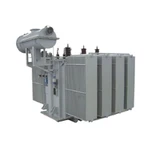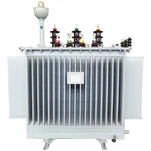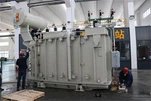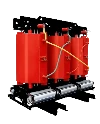


In the context of electrical distribution systems, transformers play a crucial role in transferring electrical energy from one circuit to another, typically by changing the voltage levels. Here are some key roles of transformers in distribution systems:
- Voltage Transformation: Transformers are primarily used to step up or step down voltage levels. Step-up transformers increase voltage for long-distance transmission to reduce energy losses, while step-down transformers decrease voltage to safe levels for consumer use.
- Power Distribution: Transformers help distribute electrical power efficiently from power plants to substations and then to homes, businesses, and industries. They enable the transfer of electricity over long distances with minimal losses.
- Isolation: Transformers provide electrical isolation between the input (primary) and output (secondary) circuits. This isolation helps protect equipment and users from electrical shocks and interference.
- Power Quality Improvement: Transformers can improve power quality by regulating voltage levels, reducing voltage fluctuations, and filtering out harmonic distortions and electrical noise.
- System Stability: Transformers contribute to the stability of the electrical grid by providing impedance matching, fault isolation, and support during voltage fluctuations or grid disturbances.
- Load Balancing: Transformers help in balancing loads across different parts of the distribution system by adjusting voltages as needed and ensuring a more uniform distribution of electrical power.
- Integration of Renewable Energy: Transformers play a key role in integrating renewable energy sources, such as solar and wind power, into the grid by converting the variable output of these sources into stable and usable electricity.
Overall, transformers are essential components in electrical distribution systems, enabling the efficient and safe transfer of electrical energy from generation sources to end-users.