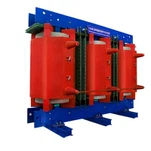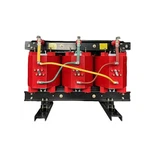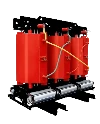


Cast resin transformers are known for their excellent insulation properties. The insulation in cast resin transformers typically consists of several layers to ensure the safe and efficient operation of the transformer. Here are the main insulation components found in cast resin transformers:
- Primary Insulation: The primary insulation in cast resin transformers is often composed of epoxy resin, which is poured over the windings to encapsulate them completely. This resin not only provides electrical insulation but also protects the windings from moisture, dust, and other contaminants.
- Secondary Insulation: In addition to the primary resin insulation, cast resin transformers may have secondary insulation layers to enhance protection and insulation properties further.
- High Voltage Insulation: Cast resin transformers are capable of handling high voltages, and their design includes specific insulation systems to withstand these high voltages safely.
- Thermal Insulation: Good thermal insulation is crucial in transformers to prevent overheating. Cast resin transformers are designed to have effective thermal insulation to maintain proper operating temperatures.
- Class F or H Insulation: The insulation materials used in cast resin transformers are often classified as Class F (155°C) or Class H (180°C) according to their temperature rating, indicating their thermal endurance levels.
Overall, the insulation in cast resin transformers plays a critical role in ensuring the reliability, efficiency, and safety of the transformer during operation.