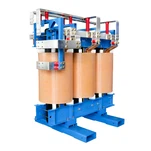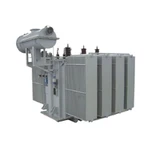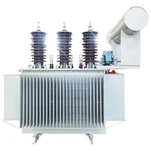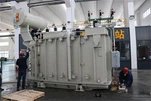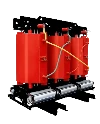


Cast coil transformers and dry-type transformers are both types of transformers commonly used in various applications. Here are the key differences between the two:
1. Insulation Material:
- Cast Coil Transformer: Cast coil transformers use epoxy resin as the primary insulation material. The windings are cast in epoxy resin under vacuum conditions, providing excellent protection against moisture and other environmental factors.
- Dry-Type Transformer: Dry-type transformers use solid insulation materials such as epoxy resin, polyester resin, or Nomex paper. They do not use any liquid insulation like oil-immersed transformers.
2. Cooling Method:
- Cast Coil Transformer: Cast coil transformers are typically self-cooled. The epoxy resin used for insulation has good thermal conductivity, allowing heat to be dissipated effectively.
- Dry-Type Transformer: Dry-type transformers rely on natural air convection or forced-air cooling for heat dissipation. They are suitable for indoor installations where oil-filled transformers are not practical.
3. Environmental Considerations:
- Cast Coil Transformer: Cast coil transformers are more resistant to environmental factors such as moisture, chemical contaminants, and harsh weather conditions due to the encapsulation in epoxy resin.
- Dry-Type Transformer: Dry-type transformers are environmentally friendly and do not pose the risk of oil spills, making them suitable for applications where environmental concerns are a priority.
4. Maintenance:
- Cast Coil Transformer: Cast coil transformers require minimal maintenance due to their robust construction and excellent protection against external factors.
- Dry-Type Transformer: Dry-type transformers are relatively easy to maintain compared to oil-filled transformers, as there is no oil to monitor or replace.
5. Applications:
- Cast Coil Transformer: Cast coil transformers are commonly used in industrial applications, power distribution systems, and installations where environmental conditions are challenging.
- Dry-Type Transformer: Dry-type transformers are suitable for indoor applications, such as commercial buildings, hospitals, schools, and other locations where safety, cleanliness, and environmental concerns are important.