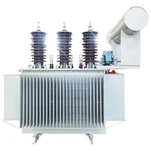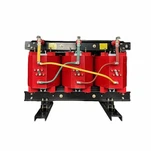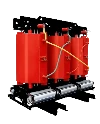


A dielectric test is an electrical test performed on equipment or insulation to determine its ability to withstand a specified voltage without breaking down. This test is crucial for ensuring the safety, quality, and reliability of electrical devices and systems.
Purpose of a Dielectric Test:
Verify insulation integrity: Ensures the insulation can handle operational voltages safely.
Detect defects: Identifies manufacturing defects, damage, or deterioration in insulation.
Safety assurance: Prevents electric shock hazards and equipment failures.
Common Types of Dielectric Tests:
Dielectric Withstand Test (Hi-Pot Test):
A high voltage is applied between conductors and insulation for a specified duration.
Ensures there is no breakdown or excessive leakage current.
Common in testing cables, transformers, and electronic devices.
Insulation Resistance Test:
Measures the resistance of insulation material using a megohmmeter.
Indicates the quality of the insulation over time.
Partial Discharge (PD) Test:
Detects small discharges within the insulation that could lead to breakdown over time.
Often used in high-voltage equipment like transformers.
Breakdown Voltage Test:
Gradually increases voltage until the insulation fails.
Determines the maximum voltage the material can withstand.