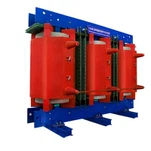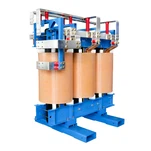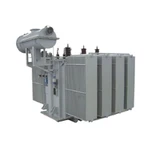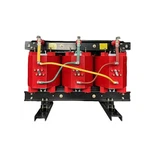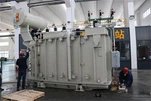


Using high-efficiency transformers in residential and commercial buildings can bring various practical economic and environmental benefits, including:
Economic Benefits:
- Reduced Energy Costs: High-efficiency transformers reduce energy losses, thereby lowering electricity consumption and related energy expenses, helping to decrease the energy bills for building owners.
- Lower Maintenance Costs: Efficient transformers typically have fewer energy losses, meaning they generate less heat, reducing cooling requirements and lowering maintenance costs.
- Extended Equipment Lifespan: High-efficiency transformers produce less heat during operation, helping to reduce thermal stress on equipment, prolonging the transformer's lifespan, and reducing the cost of equipment replacement.
Environmental Benefits:
- Reduced Greenhouse Gas Emissions: High-efficiency transformers, by reducing electricity consumption, lessen the demand on power plants, lowering greenhouse gas emissions and contributing to reduced climate impact.
- Promotion of Sustainable Development: By decreasing energy consumption and reducing resource wastage, high-efficiency transformers help drive the building sector towards a more sustainable direction, aligning with environmental protection and sustainable development trends.
- Improved Energy Utilization Efficiency: High-efficiency transformers aid in enhancing energy utilization efficiency, reducing unnecessary energy wastage, thereby helping to conserve natural resources and protect the environment.
In the building sector, the adoption of high-efficiency transformers not only helps in lowering operational costs and improving equipment efficiency but also contributes to reducing negative environmental impacts, promoting sustainable development, and energy efficiency.