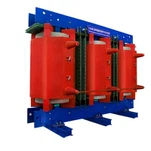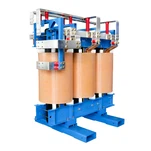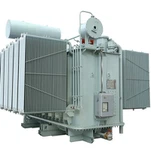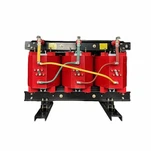


Different types of transformers may have varying efficiencies, which primarily depend on their design, manufacturing, and operating conditions. In general, the efficiency of a transformer is mainly influenced by the following factors:
- Core Material: The core material of the transformer has a significant impact on efficiency. Using low-loss silicon steel can reduce core losses and improve efficiency.
- Coil Material: High-quality conductor materials can reduce copper losses and enhance efficiency.
- Design Parameters: Design parameters of the transformer such as the number of turns, winding spacing, magnetic path length, etc., affect its efficiency. A well-designed transformer can lower magnetic resistance and resistance, thereby improving efficiency.
- Cooling System: An efficient cooling system can maintain the transformer within an appropriate temperature range, preventing overheating and efficiency loss.
- Load Factor: Transformers typically operate most efficiently at their rated load. Operating above or below the rated load may decrease efficiency.
- Operating Conditions: Transformers may exhibit different efficiency performances under various operating conditions such as frequency, temperature, etc.
In conclusion, the efficiency of a transformer is influenced by multiple factors, and different types of transformers may have varying efficiency performances due to differences in design and manufacturing. Design optimization, high-quality materials, and stable operation are crucial for enhancing transformer efficiency.