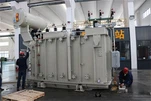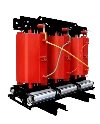


Efficiency in power distribution is a critical aspect of ensuring sustainable and effective energy systems. Transformers, essential components in electricity transmission and distribution networks, play a pivotal role in this process. One key factor that influences the effectiveness of transformers is the concept of losses.
Transformers are designed to step up or step down voltage levels to facilitate the efficient transmission of electricity across long distances. However, during this energy conversion process, transformers experience losses in the form of heat due to various physical phenomena such as resistance in the windings and core, hysteresis, and eddy currents.
Understanding and mitigating transformer losses are crucial steps in optimizing energy distribution systems. By reducing losses, not only can the overall efficiency of the power grid be improved, but operational costs can also be minimized, contributing to a more sustainable energy infrastructure.
There are two main types of losses that transformers typically encounter:
1. Copper Losses: Copper losses, also known as I²R losses, occur due to the resistance of the transformer windings to the flow of electrical current. These losses result in the conversion of electrical energy into heat, leading to inefficiencies in the transformer operation.
2. Iron Losses: Iron losses, which include hysteresis and eddy current losses, occur in the transformer core. Hysteresis losses result from the magnetic properties of the core material, leading to energy dissipation in the form of heat. Eddy current losses arise from circulating currents induced in the core material, further contributing to energy wastage.
Efforts to optimize transformer efficiency focus on minimizing these losses through various means, including:
- High-Quality Materials: Using high-grade copper for windings and low-loss silicon steel for the core can reduce energy losses in transformers.
- Improved Design: Enhancing the design of transformers by employing advanced insulation techniques, optimized winding configurations, and efficient cooling mechanisms can help mitigate losses.
- Load Management: Operating transformers at optimal load levels and implementing load-tap-changing mechanisms can improve efficiency and reduce losses during varying demand conditions.
- Regular Maintenance: Routine maintenance and monitoring of transformers to identify and address potential issues can prevent efficiency degradation over time.
By prioritizing strategies to address transformer losses, energy providers can enhance the overall efficiency of power distribution networks, reduce environmental impact, and ensure a more sustainable energy future. Through a concerted effort to optimize transformer efficiency, the goal of achieving a more reliable, resilient, and eco-friendly power distribution system can be realized.