

A substation and a transformer are not the same, although they are closely related components in an electrical power system.
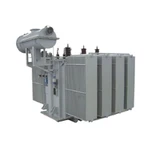
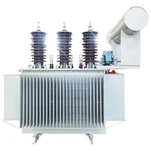
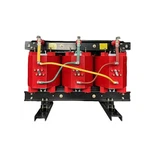
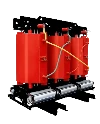
- Transformer: A transformer is a device that transfers electrical energy from one circuit to another through inductively coupled conductors-the primary function of a transformer is to step up or step down voltage levels.
- Substation: A substation, on the other hand, is a part of an electrical generation, transmission, and distribution system. It contains various equipment such as transformers, circuit breakers, switches, and other devices to control and direct the flow of electricity. Transformers are often found within a substation, as they are used to change the voltage levels for transmission and distribution of electricity.
Therefore, while a transformer is a specific device used to adjust voltage levels, a substation is a larger facility that houses various equipment, including transformers, for the purpose of generating, transmitting, and distributing electrical power.