

At Jiangsu Ryan Electric, we believe that distribution transformers are the unsung heroes of modern power systems. But what exactly are these devices, and why do they play such a critical role in ensuring a reliable electricity supply? This article explores the essential knowledge about distribution transformers, including their types, functions, and real-world applications, to answer key questions and provide clarity on their significance.
What Is a Distribution Transformer?
A distribution transformer is an electrical device used to step down the high voltage from power transmission lines to a level suitable for residential, commercial, or industrial use. Positioned at the final stage of the power distribution network, these transformers ensure that electricity can safely and efficiently reach end users.
How Does a Distribution Transformer Work?
The principle of operation is based on electromagnetic induction. A distribution transformer consists of a core and windings. The primary winding receives high-voltage electricity, which generates a magnetic field in the core. This magnetic field induces a lower voltage in the secondary winding, making the power usable for consumers.
Types of Distribution Transformers
Distribution transformers come in various types, each suited to specific applications:
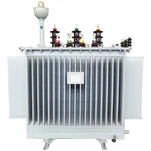
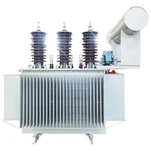
Oil-Immersed Transformers:
- These transformers use mineral oil for insulation and cooling.
- Commonly installed outdoors, they are ideal for high-capacity applications.
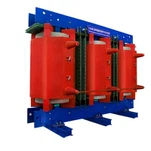
Dry-Type Transformers:
- These use air or resin for insulation, eliminating the risk of oil leakage.
- Often used in urban or indoor environments where safety is a priority.
Pad-Mounted Transformers:
- Compact, ground-level transformers enclosed in a tamper-proof casing.
- Frequently found in residential areas or commercial complexes.
Pole-Mounted Transformers:
- Installed on utility poles, these transformers are designed for small load requirements, particularly in rural areas.
Main Components
Understanding the components of a distribution transformer helps clarify its operation. Key parts include:
- Core: Made of laminated silicon steel, it minimizes energy losses during operation.
- Windings: Copper or aluminum wires that carry electrical current.
- Insulation: Prevents short circuits between windings.
- Cooling System: Includes oil or air circulation mechanisms to regulate temperature.
- Tap Changer: Adjusts the voltage ratio to meet specific load requirements.
Applications of Distribution Transformers
Distribution transformers serve various purposes across sectors:
- Residential Areas: Provide low-voltage electricity for homes and neighborhoods.
- Industrial Zones: Supply power for heavy machinery and equipment.
- Commercial Buildings: Ensure stable electricity for offices, malls, and other establishments.
- Renewable Energy Systems: Facilitate integration of solar and wind energy into the grid.
How Can the Distribution Transformers Be Maintained?
Proper maintenance ensures the reliability and longevity of transformers. Routine practices include:
- Visual Inspections: Check for physical damage, leaks, or corrosion.
- Oil Testing: Assess the condition of insulating oil in oil-immersed models.
- Thermal Monitoring: Ensure temperatures remain within safe limits.
Why Are Distribution Transformers Key to Renewable Energy Integration?
Renewable energy sources, such as solar and wind, produce variable power outputs. Distribution transformers play a critical role in stabilizing and transmitting this power to the grid. Special designs, like pad-mounted and dry-type transformers, are often used for renewable energy projects due to their efficiency and environmental benefits.
Latest Trends in the Distribution Transformer Market
The global market is evolving rapidly, driven by:
- Smart Grids: Incorporating IoT-enabled transformers for real-time monitoring.
- Energy Efficiency: Innovations in materials and design to minimize losses.
- Urbanization: Rising demand for compact and safe transformers in cities.
- Grid Modernization: Upgrades to support renewable energy and reduce blackouts.
Conclusion
Distribution transformers are the backbone of modern electricity networks, ensuring the safe and efficient delivery of power across sectors. By understanding their types, applications, and challenges, we can better appreciate their role in supporting infrastructure, enabling renewable energy, and shaping the future of power distribution. For more details on different types, refer to Jiangsu Ryan Electric website, or our social media pages.